
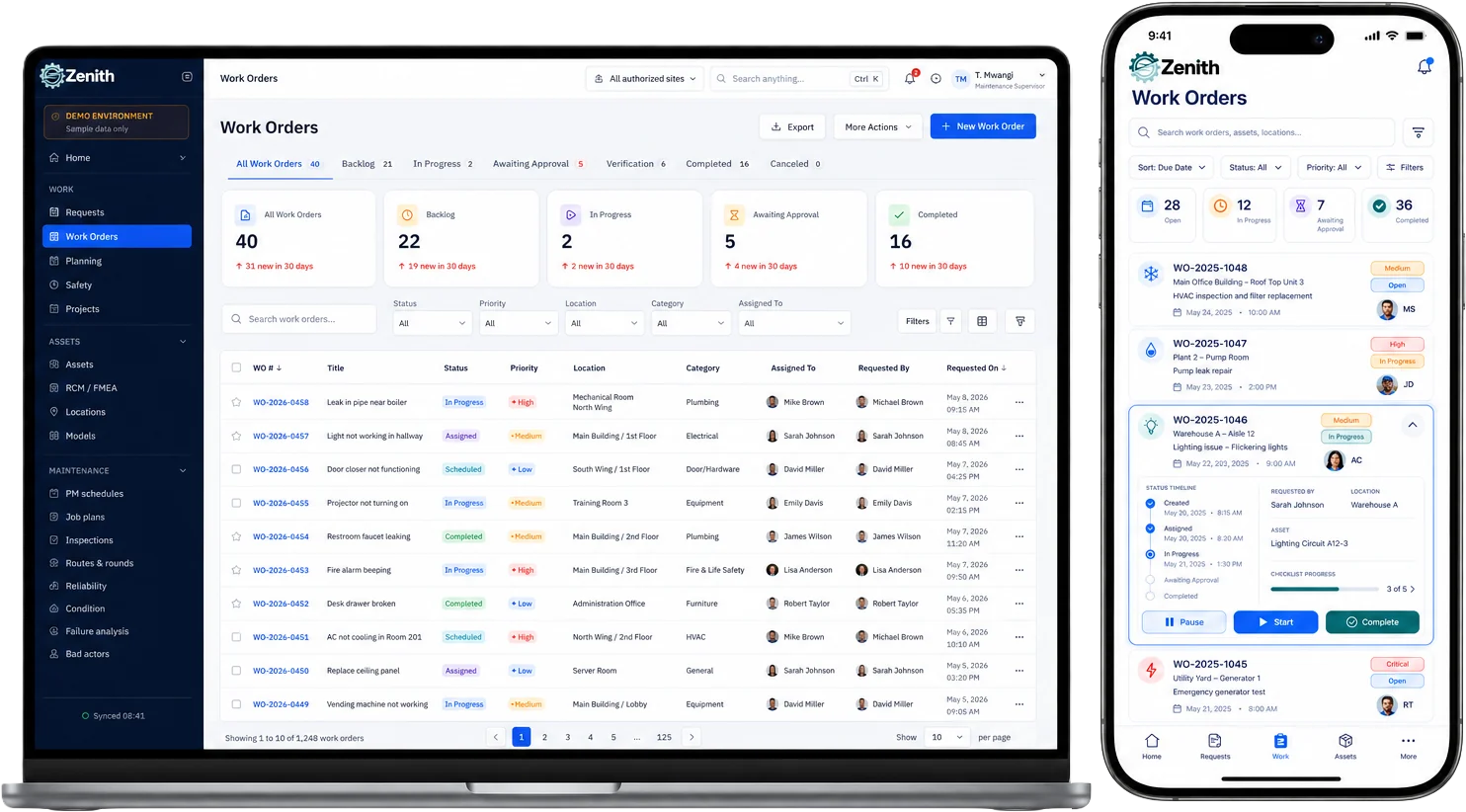


Facility management software (FMS) helps organizations oversee their buildings, assets, and services in a unified platform. Traditionally, these systems focused on manual scheduling, reactive maintenance, and basic reporting. Now, artificial intelligence (AI) is transforming FMS into a proactive, data-driven powerhouse that anticipates issues before they occur.
In this blog post, we’ll explore how AI integrates into facility management software, highlight its core benefits, examine potential drawbacks, and suggest best practices for successful implementation.
What Is Facility Management Software?
Facility management software centralizes data and automates workflows related to building operations, including:
- Work order creation and tracking
- Asset inventory and life-cycle management
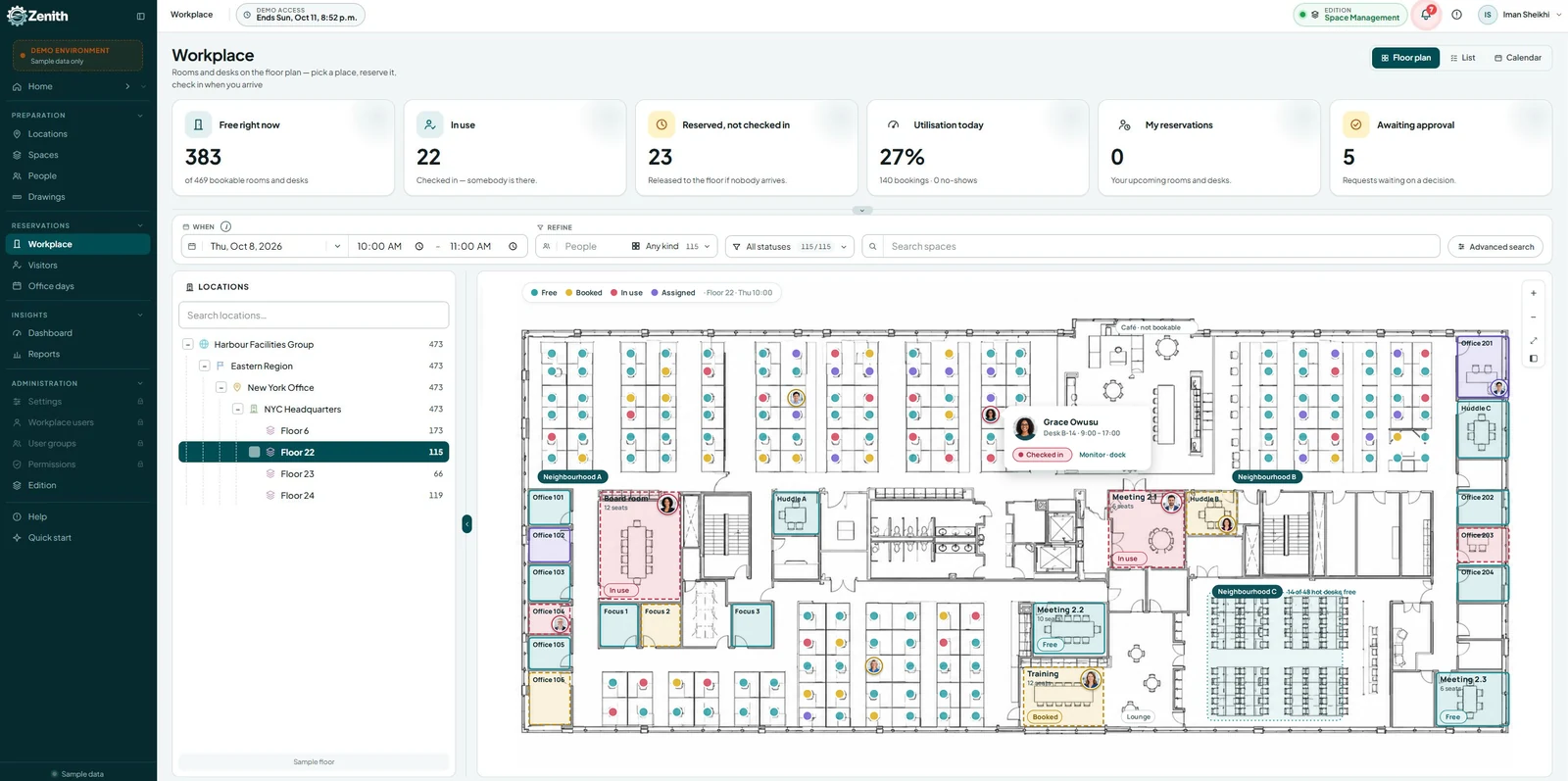
- Space allocation and occupancy monitoring
- Vendor and contract management
By unifying these functions, FMS reduces paperwork, cuts response times, and ensures compliance with safety standards.
The Rise of AI in Facility Management
Artificial intelligence brings self-learning algorithms, pattern recognition, and predictive analytics to FMS. These capabilities turn historical and real-time data into actionable insights, enabling:
- Predictive maintenance that avoids costly equipment failures
- Automated decision-making for resource optimization
- Intelligent assistants that streamline tenant support
Together, these features help facility teams shift from reactive firefighting to strategic planning.
Key AI-Powered Features in Facility Management Software
- Predictive Maintenance
AI analyzes sensor data to forecast equipment wear and schedule service before breakdowns occur. - Automated Work Order Prioritization
Machine learning ranks maintenance tickets by urgency, asset criticality, and historical resolution patterns. - Energy Optimization
Smart controls adjust HVAC, lighting, and other systems based on occupancy forecasts and weather data. - Space Utilization Analytics
Computer vision and badge-swipe data reveal underused areas and help right-size floor plans. - Smart Scheduling
AI matches technicians’ skills, availability, and location to incoming tasks, reducing travel time. - Chatbots and Virtual Assistants
Natural language interfaces handle routine facility requests and guide users through self-service options.
Advantages of Integrating AI into Facility Management Software
- Improved Equipment Uptime
Predictive analytics catch anomalies early, reducing emergency repairs and downtime. - Optimized Resource Allocation
Automated scheduling and task-routing ensure the right technician with the right parts arrives on time. - Enhanced Occupant Comfort
AI-driven environmental controls maintain ideal temperature, lighting, and air quality levels. - Lower Maintenance Costs
Preventive servicing and data-driven parts procurement cut overall repair expenses. - Energy Savings and Sustainability
Dynamic load balancing and demand-response programs reduce energy waste and carbon footprint.
Disadvantages and Challenges of AI in Facility Management Software
- High Initial Investment
Deploying IoT sensors, integrating legacy systems, and licensing advanced AI modules can be costly. - Data Quality and Integration Issues
Inaccurate, siloed, or incomplete data can lead to unreliable predictions and poor decision-making. - Complexity and Skill Shortages
Facilities teams may lack the technical expertise to configure, interpret, and maintain AI models. - Risk of Over-Reliance on AI
Blind trust in automated recommendations can mask edge-case scenarios and human oversight is still essential. - Privacy and Security Concerns
Collecting granular occupancy and equipment data raises potential risks around data breaches and surveillance.
Advantages vs. Disadvantages at a Glance
| Advantages | Disadvantages and Challenges |
|---|---|
| ✔️ Improved equipment uptime | ✖️ High initial investment |
| ✔️ Optimized resource allocation | ✖️ Data quality and integration issues |
| ✔️ Enhanced occupant comfort | ✖️ Complexity and skill shortages |
| ✔️ Lower maintenance costs | ✖️ Risk of over-reliance on AI |
| ✔️ Energy savings and sustainability | ✖️ Privacy and security concerns |
Best Practices for Implementing AI in FMS
- Audit Your Data
Ensure sensor feeds, maintenance logs, and building information are accurate and standardized. - Start Small
Pilot AI features like predictive maintenance on a single asset class before scaling up. - Train Your Team
Invest in upskilling facilities staff on data interpretation, AI configuration, and cybersecurity. - Partner with Experts
Collaborate with AI vendors or consultants who specialize in facility management workflows. - Monitor and Iterate
Continuously track AI performance metrics, gather user feedback, and refine algorithms.
Future Outlook: AI and the Next Generation of Facility Management
As AI matures, we’ll see deeper integration with digital twins, augmented reality maintenance guides, and autonomous robotics for inspection and cleaning. The facilities of tomorrow will be self-optimizing ecosystems that learn from occupant behavior, weather patterns, and operational trends—delivering smarter, greener, and more responsive buildings.
Conclusion
Integrating AI into facility management software unlocks powerful capabilities for predictive maintenance, energy efficiency, and enhanced occupant experiences. While upfront costs, data challenges, and skill gaps pose hurdles, adopting a phased approach and following best practices can mitigate risks and maximize ROI. Organizations that harness AI wisely will operate leaner, more sustainable, and future-ready facilities.
Frequently Asked Questions
1. What is AI-enabled facility management software?
AI-enabled facility management software uses machine learning algorithms, predictive analytics, and intelligent automation to turn operational data into actionable insights. It helps facility teams forecast equipment failures, optimize energy use, and automate routine requests, transforming reactive workflows into proactive, data-driven processes.
2. How does predictive maintenance reduce downtime?
Predictive maintenance analyzes historical sensor readings and real-time equipment performance to identify patterns that precede failures. By scheduling service before a breakdown occurs, it minimizes unplanned outages, extends asset life, and lowers emergency repair costs.
3. What types of data are required for AI to work effectively?
AI models thrive on accurate, comprehensive data. Key inputs include:
- IoT sensor readings (temperature, vibration, energy consumption)
- Maintenance and work-order logs
- Occupancy and space-usage data (badge swipes, footfall counters)
- Environmental inputs (weather forecasts, utility rates)
4. What are the initial costs and expected ROI timeline?
Upfront investments typically cover IoT sensors, integration with legacy systems, AI software licenses, and staff training. Organizations often begin to see measurable ROI—through reduced downtime and energy savings—within 9 to 18 months of a phased rollout, depending on asset criticality and scale.
5. How can I ensure data quality and seamless integration?
Start with a data audit to identify gaps, inconsistencies, and silos. Then:
- Standardize naming conventions and data formats
- Use middleware or APIs to connect legacy CMMS, BAS, and BMS systems
- Implement real-time data validation rules
- Schedule regular reviews to catch drift or sensor malfunctions
6. What skills does my facilities team need?
To maximize AI benefits, teams should develop:
- Basic data literacy for interpreting AI-driven dashboards and alerts
- Familiarity with IoT device management and network protocols
- Understanding of cybersecurity best practices
- Change-management capabilities to guide process adjustments
7. What security and privacy risks should I consider?
Collecting granular building and occupant data introduces potential vulnerabilities. Address these by:
- Encrypting data at rest and in transit
- Applying role-based access controls on AI dashboards
- Conducting regular security audits and penetration tests
- Creating clear privacy policies for occupant data
8. Can I pilot AI features before a full rollout?
Absolutely. A phased approach lets you validate value and fine-tune processes. Common pilots include:
- Predictive maintenance on high-value assets (e.g., chillers, pumps)
- Energy optimization in a single building zone
- Chatbot-based tenant support for routine requests
9. How do I prevent over-reliance on AI?
AI should augment—not replace—human judgment. Maintain oversight by:
- Establishing thresholds for automated actions versus human approval
- Regularly reviewing AI recommendations against real-world outcomes
- Training teams to question anomalies and edge-case scenarios
- Updating models with new data and seasonal trends