

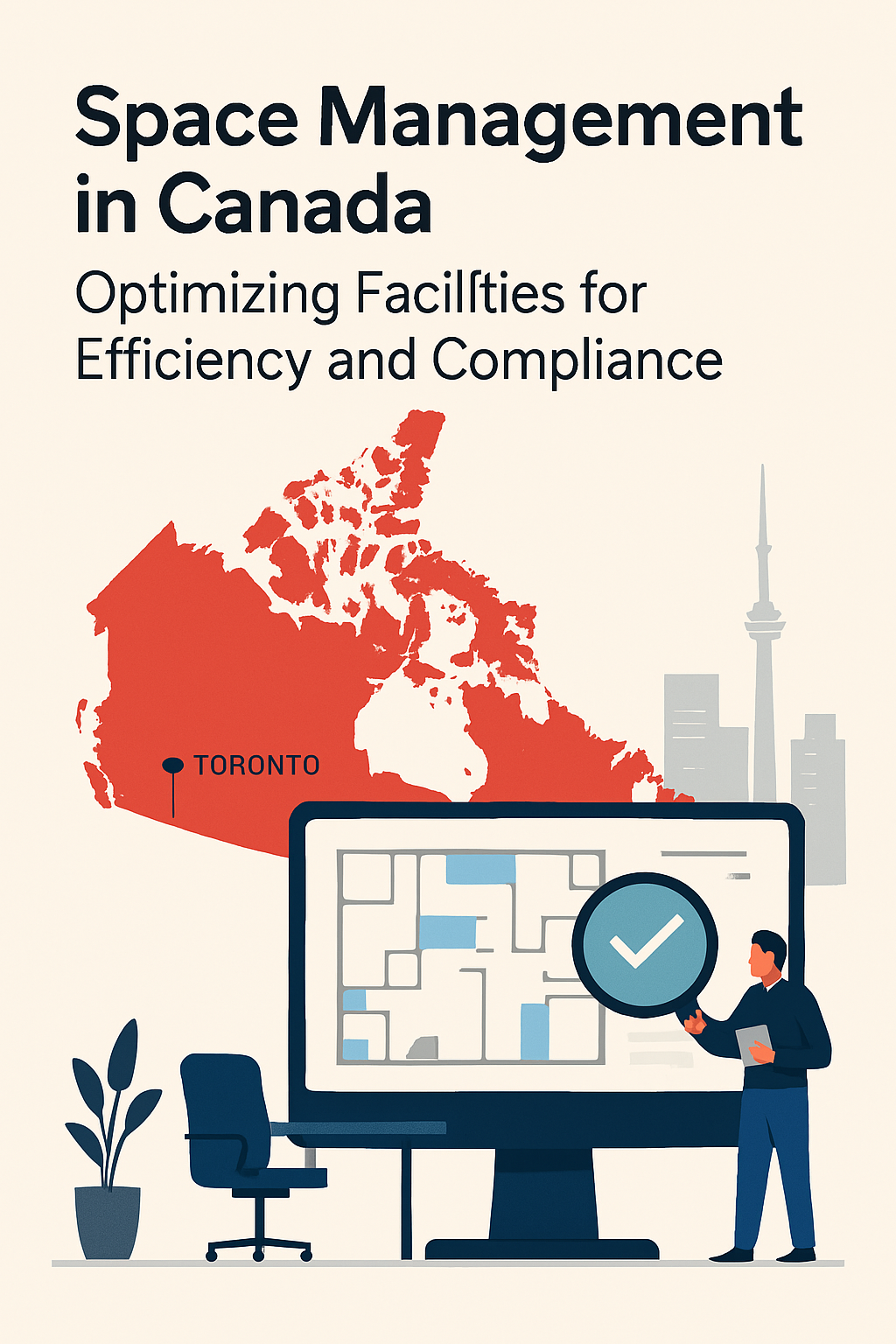
Space is one of the largest investments for Canadian organizations—from coast-to-coast corporate offices to remote resource sites. Effective space management ensures every square foot delivers value, supports collaboration, and meets regional regulations. This blog dives into why space management matters in Canada and how to implement it successfully.
Why Space Management Matters in Canada
Organizations across Canada face rising real-estate costs, dynamic work models, and strict privacy regulations. Without a clear strategy, underutilized areas drive wasted spending, disconnected teams, and compliance risks.
- High lease rates in Toronto and Vancouver demand maximum occupancy efficiency
- Hybrid work trends require flexible hot-desking and collaboration zones
- Provincial building codes and PIPEDA data rules influence space-related workflows
A robust space management program aligns real-estate strategies with operational goals and keeps teams connected no matter where they work.
Key Challenges for Canadian Facilities
- Regional Diversity
Canada’s climate extremes—from frigid winters in Manitoba to humid summers in Nova Scotia—impact building usage and energy needs. - Bilingual Requirements
In provinces like Quebec and New Brunswick, French-and-English wayfinding and documentation are mandatory. - Distributed Operations
Many industries operate across remote sites, making real-time visibility into space usage a logistical puzzle. - Regulatory Compliance
Provincial fire codes, accessibility standards, and PIPEDA mandates must be woven into space-planning processes.
Essential Features of a Space Management Solution
- Interactive Floor Plans
Visualize real-time occupancy, book desks, and allocate zones with drag-and-drop ease. - Utilization Analytics
Track peak hours, underused areas, and long-term trends to make data-driven adjustments. - Reservation and Booking
Allow employees to reserve desks, meeting rooms, and specialized spaces via web or mobile. - Compliance Workflows
Automate audits, emergency evacuation mapping, and accessibility checks in both official languages. - Integration Capabilities
Sync with CMMS for maintenance coordination, HR systems for headcount data, and IoT sensors for live density monitoring.
Industry-Specific Considerations
| Sector | Key Focus |
|---|---|
| Corporate Offices | Hot-desking, flex spaces, collaboration hubs |
| Higher Education | Lab scheduling, classroom utilization, archives |
| Healthcare Facilities | Cleanroom zoning, visitor flow, regulatory logs |
| Manufacturing & Mining | Warehouse layout, safety corridors, asset moves |
| Retail and Hospitality | Pop-up activation zones, event setup, back-of-house storage |
Best Practices for Implementation
- Start with a Pilot Zone
Roll out in one building or department to refine workflows and gather user feedback. - Engage Cross-Functional Teams
Include facilities, IT, HR, and end users to map needs and avoid siloed solutions. - Leverage IoT and Sensors
Install occupancy sensors to validate and optimize desk and room allocations. - Maintain Bilingual Documentation
Ensure maps, guides, and digital interfaces are available in English and French where required. - Review and Refine Quarterly
Analyze utilization reports, survey staff, and adjust space-plans to evolving work patterns.
Next Steps
- Audit Your Current Footprint
Map out existing floor plans, occupancy levels, and utilization pain points. - Define Success Metrics
Set targets for occupancy rate, cost-per-square-foot, and employee satisfaction. - Select and Pilot a Platform
Choose a solution with strong Canadian support, bilingual features, and open APIs. - Scale and Optimize
Expand across locations, integrate with maintenance and HR systems, and iterate based on data insights.
With a tailored space management strategy, Canadian organizations can tame real-estate costs, foster collaboration, and stay fully compliant. Start planning today to turn every square foot into a strategic asset.