

Say Goodbye to Unplanned Downtime
Asset Management Software: Increase Uptime
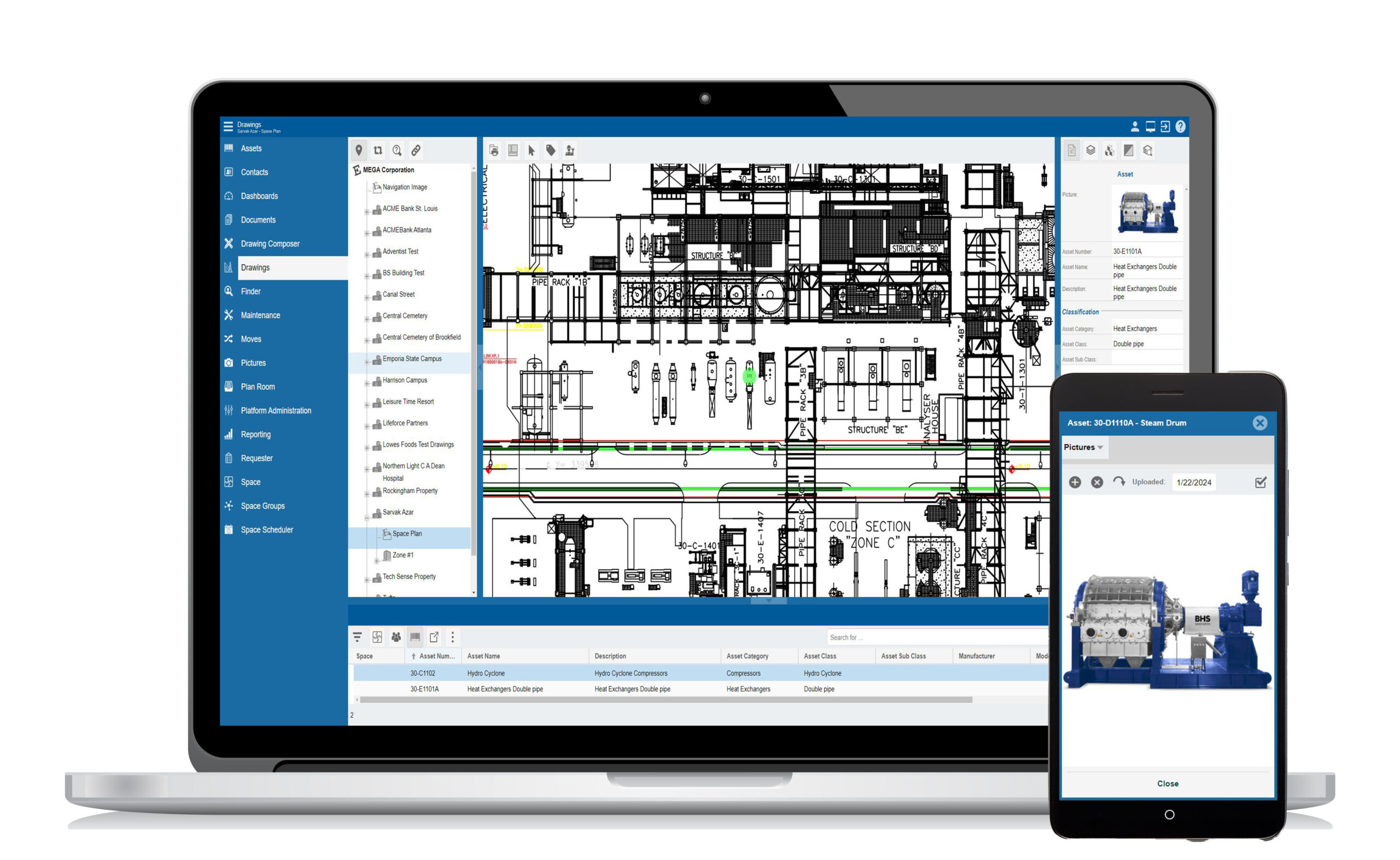
Evolve FM’s asset management tool provides powerful insights to help you manage the full asset lifecycle. Automate preventive maintenance tasks. Manage everything from asset downtime, depreciation, and costs using the #1 asset management solution.
Streamline your operations by removing slow and expensive manual tracking methods. Evolve FM’s CMMS software offers asset management features that allow you to efficiently monitor and report on your essential assets. Whether managing equipment, buildings, or vehicles, this asset management software will help prolong the lifespan of your assets and optimize your asset returns.
Benefits of Asset Managemet Software
For maintenance operations to be efficient and effective.
Equipment Availability
MAXIMIZE equipment availability by planning maintenance activities ahead of time, minimizing unexpected downtime and enhancing productivity.
Enhanced Safety
MAINTAIN safety by planning routine maintenance activities and inspections to avert equipment malfunctions and prevent incidents.
Asset Management
ENHANCE asset management by monitoring equipment stock, whereabouts, and utilization, while distributing resources more efficiently.
Boost Efficiency
ENHANCE efficiency by consolidating the system for monitoring equipment maintenance tasks and work orders, and handling maintenance tasks more effectively.
Regulatory Compliance
MAINTAIN regulatory compliance by keeping precise documentation of maintenance activities and inspections, while following all relevant regulatory standards and requirements.
Informed Decision-Making
Utilize data on maintenance history and expenses to make knowledgeable choices regarding whether to repair or replace equipment, and to distribute resources more efficiently.
Say Goodbye to Unplanned Downtime With Asset Management Software
Access asset information and history from anywhere
Accessible on both mobile and desktop, Evolve FM’s asset management system enables technicians and managers to swiftly access asset models, warranty details, depreciation schedules, and additional information. Improve your repair or replacement choices by having constant access to the necessary data.
Advanced asset analytics to increase reliability and lifespan
Evolve FM’s reliability dashboard offers visibility into asset performance, overall downtime, mean time between failures, and mean time to repair. Maximize the useful lifespan of your assets by identifying breakdown patterns and establishing preventive maintenance schedules.
Ensure precise documentation
Monitor the condition of your assets over time by accessing the complete work order history for each one. Maintain uniformity in asset documentation using QR codes. Technicians can swiftly scan a QR code on an asset to retrieve all relevant information, such as warranty details, parts, and more.
Avoid stockouts with clear notifications
Link components to your assets. Establish minimum quantity limits for parts. Set up notifications when parts run low to assist in planning and minimize downtime caused by insufficient spares. Purchase the appropriate number of parts to prevent excess costs.
Business intelligence to reduce asset downtime and costs
Explore an elegantly crafted business intelligence dashboard that monitors all costs associated with equipment downtime over time. Achieve insights into overall costs as a percentage of Rav, along with trends in downtime and expenses, as well as total costs. Utilize advanced analytics to pinpoint patterns and uncover the underlying reasons for equipment failures.
Seamless communication around your assets
Generate new work orders in response to maintenance requests and promptly allocate them to the appropriate technician. Allow for unlimited requesters in your account and establish a company request portal for anyone to submit maintenance requests. Requesters have the ability to monitor the progress of their requests, and technicians can conveniently share updates with them.
Equipment Asset Management Software From Your Mobile Device.
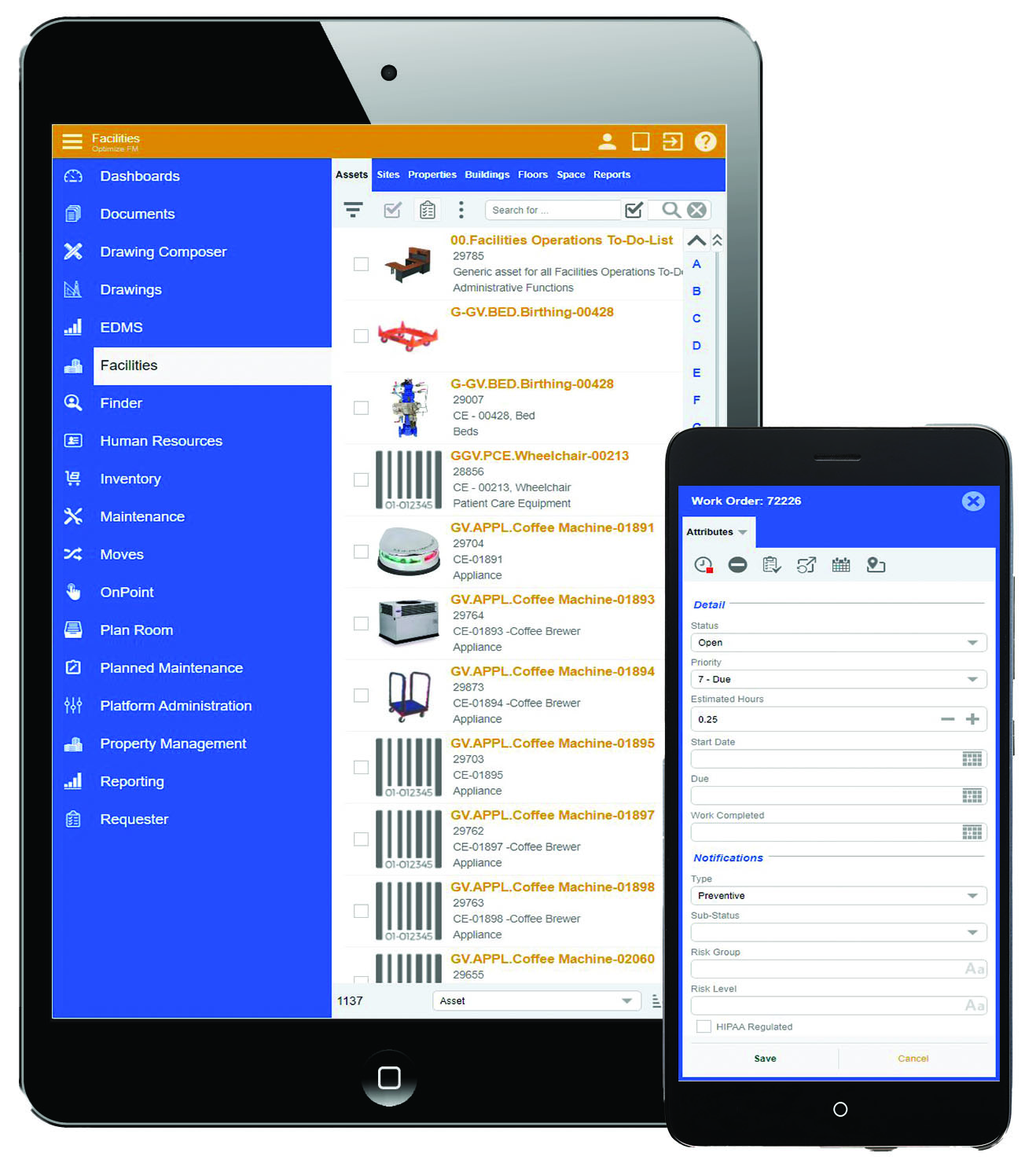
Mobile Feature
Mobile Features for Preventive Maintenance Software
Allow technicians to conveniently have preventive maintenance checklists and manuals related to any asset readily available in their pockets.
Guarantee that crucial asset information is accessed securely. Technicians can quickly retrieve a history of past repairs to make informed choices when conducting maintenance.
Maximize the lifespan of your assets by monitoring mobile asset downtime. When combined with Evolve FM Analytics, you can utilize an automated business intelligence dashboard to monitor all equipment downtime expenses over time.
CMMS, Maintenance Management,
and Work Order Software
Evolve FM is continually recognized as the top inventory management software for its affordability, user-friendliness, features, and customer service. This explains why Evolve FM receives more 5-star ratings than any other provider of CMMS and Maintenance Software.
FAQs About Evolve FM’s Asset Management Software
What Types of Assets Can Be Managed Using Asset Management Software?
Locations and spaces
Vehicles
Equipment and machinery
Services
Tools
And more
How Does Asset Management Software Help Businesses?
Asset management software helps businesses streamline asset tracking by:
Reducing the need for manual data entry, which can help reduce errors and increase efficiency
Improving maintenance planning and preventing loss
Enhancing compliance
Optimizing asset utilization
And more
When you use an asset management system like Evolve FM, you can save your business time and money by avoiding downtime and increasing operational efficiency.
What Features Are Included in Evolve FM’s Asset Management System?
Our mobile asset management system boasts a variety of features, including:
Asset tracking
Maintenance scheduling
Depreciation calculation
Barcode/QR scanning
Reporting and analytics
Compliance tracking
User access control
Integration capabilities
And more
Is Asset Management Software Suitable for Small Businesses?
Yes, asset management software is available in various scales, including solutions tailored for small businesses.
Is Evolve FM’s Asset Management Software Cloud-Based?
Yes, our mobile asset management software is cloud-based to provide ease of accessibility, scalability, and maintenance.
Get started today
Evolve FM’s integrated CMMS and CAFM solution helps organizations streamline maintenance, optimize facility operations, and deliver a smarter workplace—fast. Let our experts guide your digital transformation.