
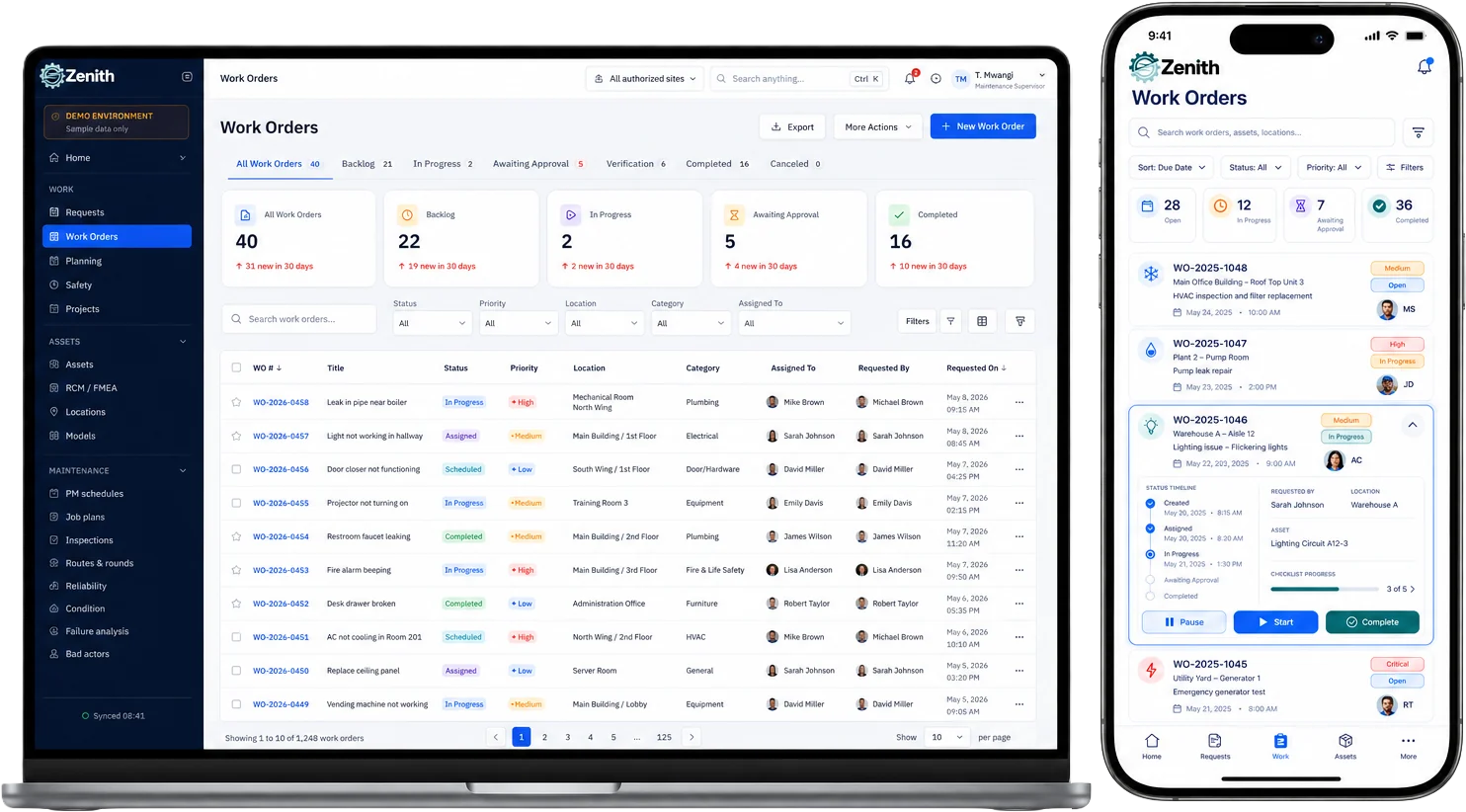
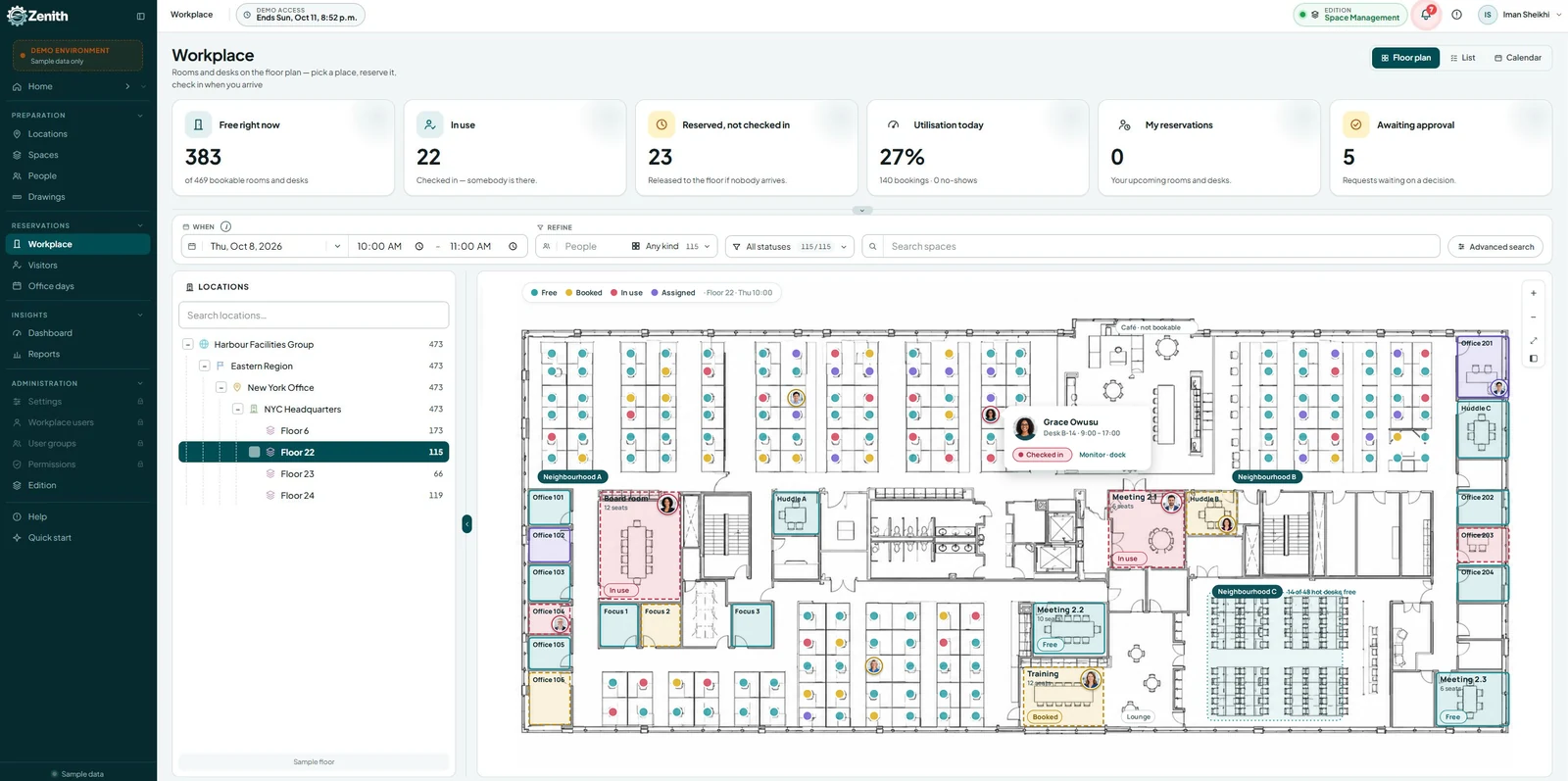

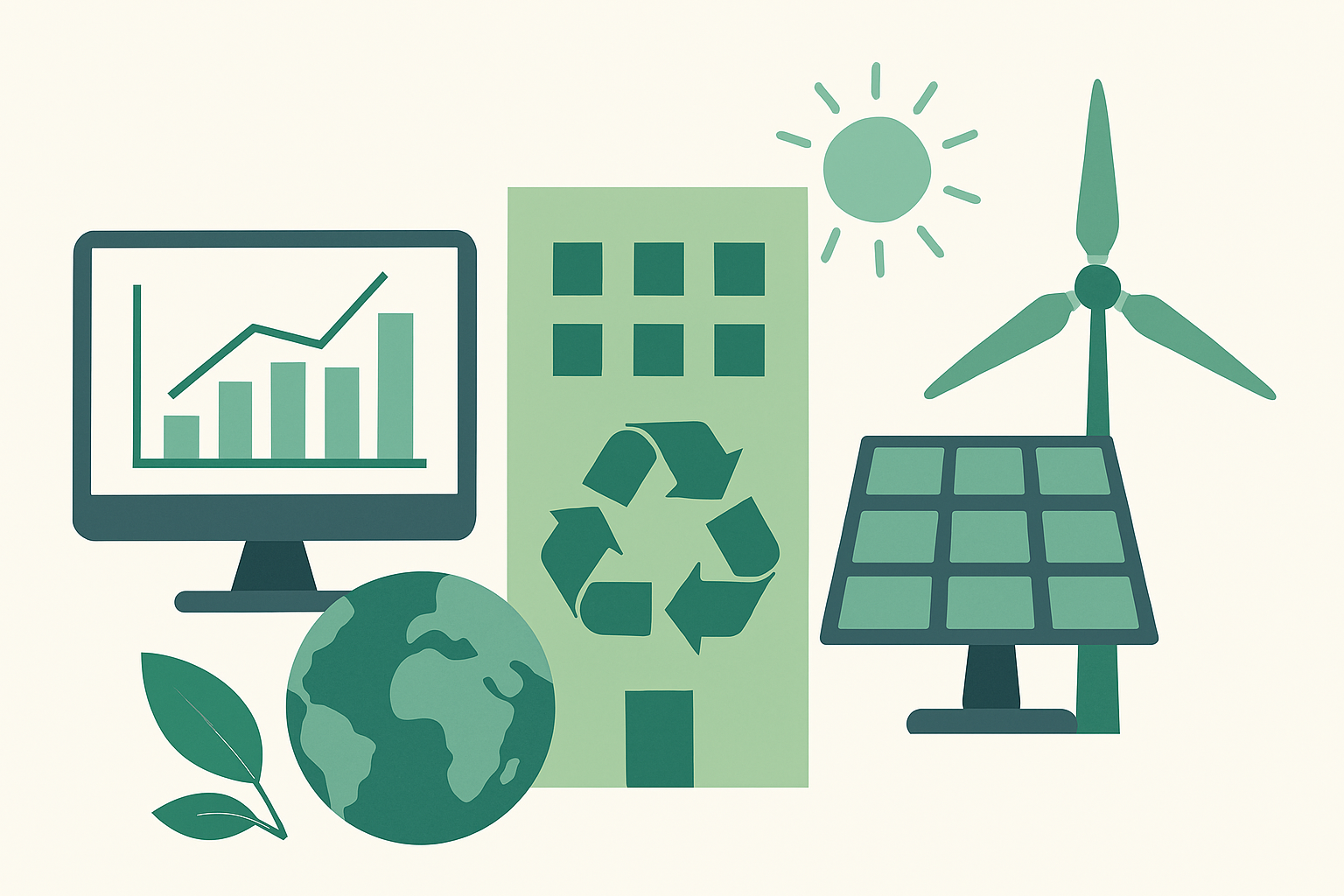
Delivering on environmental, social, and governance (ESG) commitments demands more than new policies—it requires actionable data and automated processes. Modern facility management software empowers sustainability teams to optimize energy use, track resource consumption, and report on carbon footprints in real time. By centralizing building metrics and automating workflows, organizations can meet ESG targets faster while reducing operational costs. This blog post explores how sustainability software transforms facilities into greener, smarter, and more compliant assets.
Why Greener Facilities Matter Today
Reducing energy consumption and waste is no longer a nice-to-have; it’s a business imperative. Stricter regulations, rising energy prices, and stakeholder demands force facility managers to find measurable ways to cut emissions. Green facilities improve occupant health, enhance brand reputation, and generate long-term cost savings. Embracing technology-driven sustainability positions organizations ahead of evolving ESG requirements.
How Software Powers Sustainable Facility Management
Facility management platforms integrate data from HVAC systems, smart meters, and IoT sensors into a unified dashboard. Automated alerts flag anomalies—like HVAC inefficiencies or water leaks—before they escalate into costly repairs. Predictive analytics leverage historical usage patterns to forecast demand, enabling proactive energy scheduling. With built-in ESG reporting tools, compliance teams can generate audit-ready reports in minutes instead of days.
Key Features of Sustainability Software
- Real-Time Monitoring
Continuously tracks energy, water, and waste metrics across multiple sites. - Predictive Maintenance
Uses machine learning to predict equipment failures and schedule timely repairs. - Automated Reporting
Generates standardized ESG disclosures, carbon footprint statements, and compliance reports. - Energy Optimization
Implements demand response, dynamic set points, and occupancy-driven controls. - Integration & Scalability
Connects with ERP, BMS, and IoT ecosystems to scale from single buildings to global portfolios.
Feature Comparison
| Feature | Traditional Facility Management | Software-Driven Sustainability |
|---|---|---|
| Energy Monitoring | Manual meter readings | Real-time analytics and dashboards |
| Maintenance Scheduling | Reactive and paper-based | Predictive and automated |
| ESG Reporting | Manual compilation | Integrated and real-time reporting |
| Resource Optimization | Limited visibility | Data-driven insights |
Benefits of Software-Driven Sustainability
- Cost Savings
Automated controls and data-driven insights can lower energy bills by 10–30%. - Compliance & Reporting
Preformatted ESG templates simplify reporting to investors and regulators. - Risk Mitigation
Early detection of inefficiencies reduces equipment failure and unplanned downtime. - Enhanced Reputation
Publicly demonstrating sustainability progress attracts eco-conscious tenants and clients. - Data-Driven Decisions
Consolidated metrics guide capital investment toward the highest ROI projects.
Implementing Sustainability Software in Your Facilities
- Assess Your Baseline
Conduct an energy audit to identify major consumption sources and inefficiencies. - Define ESG Goals
Set clear targets for energy reduction, waste diversion, and emissions cuts. - Select the Right Platform
Evaluate software based on analytics depth, integration capabilities, and user interface. - Deploy & Train
Roll out the solution in phases, train facility staff, and establish governance processes. - Monitor & Iterate
Review dashboards weekly, adjust control strategies, and refine reporting templates.
An illustrative scenario
The scenario below is illustrative. It is not an account of a named customer, and the figures in it are indicative of what a maintenance programme can aim at rather than measured results we can attribute. Where we can publish real numbers with a client’s permission, we say so plainly.
A mid-sized university deployed a sustainability platform across its 20 buildings and shaved 18% off annual electricity use within six months. Automated HVAC scheduling during off-peak hours and leak detection cut maintenance costs by 25%. Monthly ESG reports now generate automatically, freeing the facilities team to focus on strategic energy projects rather than manual data entry.
Frequently Asked Questions
What is sustainability software for facilities?
Sustainability software centralizes building performance data—from energy meters to water usage—into a single platform. It automates alerts, runs predictive analytics, and streamlines ESG reporting, enabling facility managers to act on insights immediately. This unified approach replaces manual spreadsheet tracking and reduces data errors.
How does software support ESG targets?
By automating data collection and analysis, software ensures accuracy and transparency in ESG disclosures. It enables real-time monitoring of carbon emissions, generates audit-ready reports, and flags non-compliance risks early. This continuous feedback loop helps organizations adjust strategies to meet evolving stakeholder expectations.
Can facility management software really reduce carbon footprints?
Yes. Automated controls optimize equipment runtimes, and predictive maintenance prevents energy‐wasting failures. Real-time analytics identify high-usage periods, allowing dynamic load balancing. Collectively, these features can reduce carbon emissions by double digits within the first year of adoption.
What return on investment can I expect?
ROI varies by facility type and baseline inefficiencies, but many organizations realize payback within 12–18 months. Cost savings from energy reduction, decreased downtime, and streamlined reporting often exceed software subscription fees. A detailed business case—including utility rebates and government incentives—can accelerate ROI.
How do I choose the right sustainability software?
Start by mapping your facility portfolio and data sources. Seek platforms with open APIs for IoT integration, robust analytics modules, and customizable dashboards. Pilot with a single site before scaling, and ensure vendor support for training and ongoing optimization.
Conclusion
Greener facilities are within reach when sustainability becomes a digital discipline. Software solutions provide the data visibility, automation, and reporting capabilities necessary to meet ESG targets and drive continuous improvement. By assessing current performance, selecting the right tools, and embedding sustainability into daily operations, organizations can future-proof their facilities, reduce costs, and demonstrate authentic environmental leadership.
Looking ahead, consider exploring:
- Integrating renewable energy forecasting tools.
- Leveraging AI for advanced anomaly detection.
- Partnering with utilities for demand response programs.
- Expanding to broader circular-economy initiatives like waste‐to‐energy systems.
Each step deepens your commitment to greener, smarter facility management and strengthens your sustainability narrative.