

Introduction
Facility managers across Canada face unique challenges—from harsh winters in the Prairies to stringent sustainability mandates in British Columbia. Avoiding common pitfalls can save time, reduce costs, and keep your buildings running smoothly. This post breaks down the top 10 mistakes and offers practical steps to keep your operations on track.
1. Neglecting Preventive Maintenance
Skipping routine inspections and servicing may seem cost-effective in the short term, but equipment failures during subzero temperatures or heatwaves can halt operations and inflate repair bills. Implement a calendar-based preventive maintenance schedule and leverage automated reminders to ensure tasks aren’t overlooked.
2. Failing to Track Key Performance Indicators
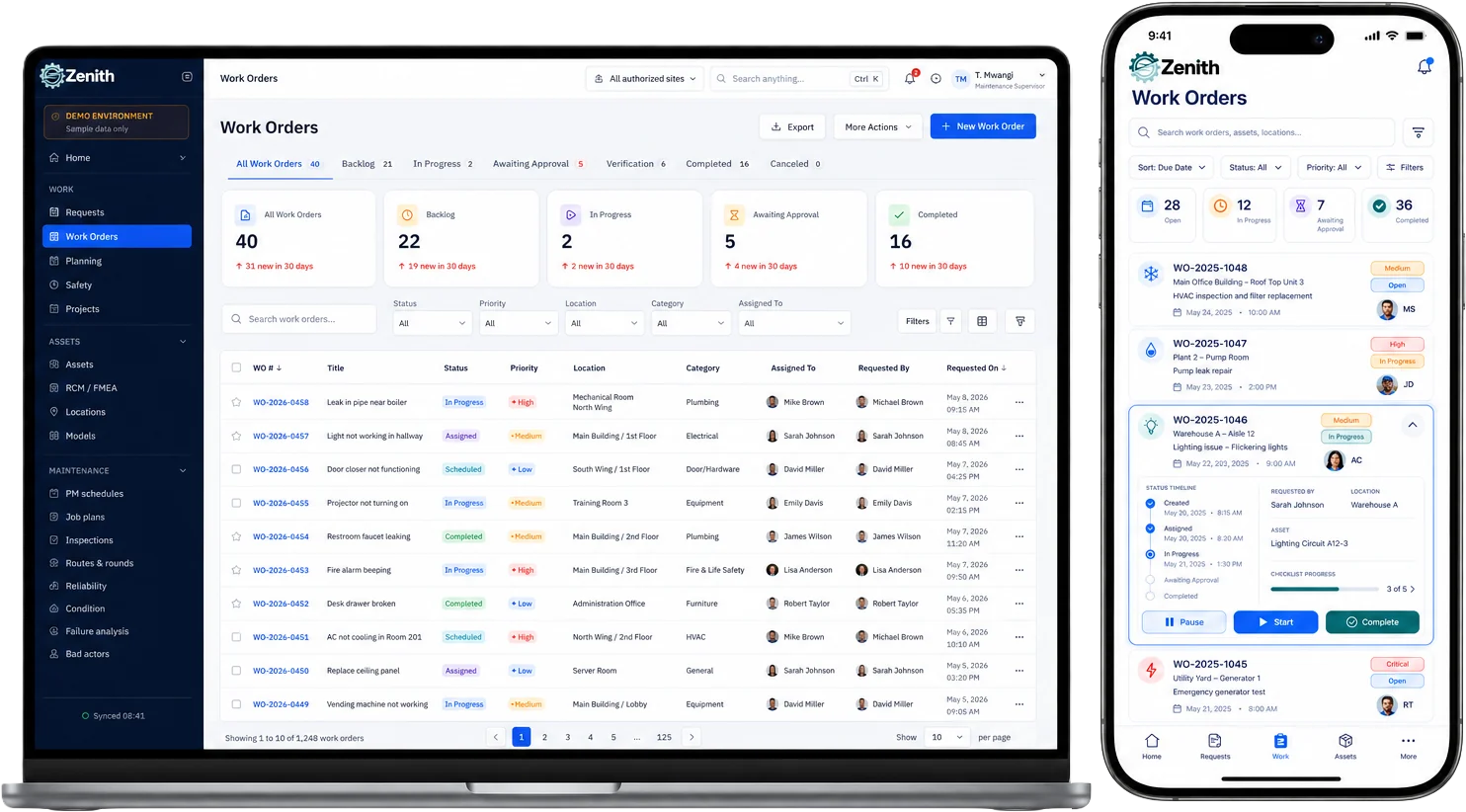
Without clear metrics—like work order completion rates, energy consumption per square metre, or mean time to repair—you’re flying blind. Adopt a CMMS or BMS platform that dashboards real-time data, so you can pinpoint inefficiencies and demonstrate ROI to stakeholders.
3. Ignoring Regulatory Compliance
Canada’s building codes and provincial regulations vary widely. Ignoring fire safety inspections, HVAC emissions standards, or accessibility requirements not only risks fines but also endangers occupants. Develop a compliance matrix that maps each facility to relevant federal, provincial, and municipal rules.
4. Overlooking Sustainability Goals
With carbon taxes and net-zero targets gaining momentum, failing to integrate energy-saving strategies can lead to escalating utility costs. Invest in LED retrofits, smart lighting controls, and high-efficiency HVAC systems. Small upgrades today compound into big savings tomorrow.
5. Poor Vendor Management
Relying on a handful of unvetted contractors can lead to inconsistent service, inflated invoices, and safety issues. Establish clear SLAs, perform annual vendor audits, and maintain a preferred-supplier list to ensure quality, reliability, and competitive pricing.
6. Underestimating Staff Training Needs
New software, evolving safety protocols, and changing environmental regulations demand ongoing education. Skipping training sessions leads to misuse of tools, compliance gaps, and lower employee morale. Schedule quarterly workshops and e-learning modules to keep teams sharp.
7. Not Leveraging Technology
Clinging to spreadsheets and paper logs in an IoT-driven era means lost data, delayed responses, and missed alerts. Embrace cloud-based CMMS, mobile inspections, and sensor networks to streamline workflows and enable predictive maintenance.
8. Inefficient Space Utilization
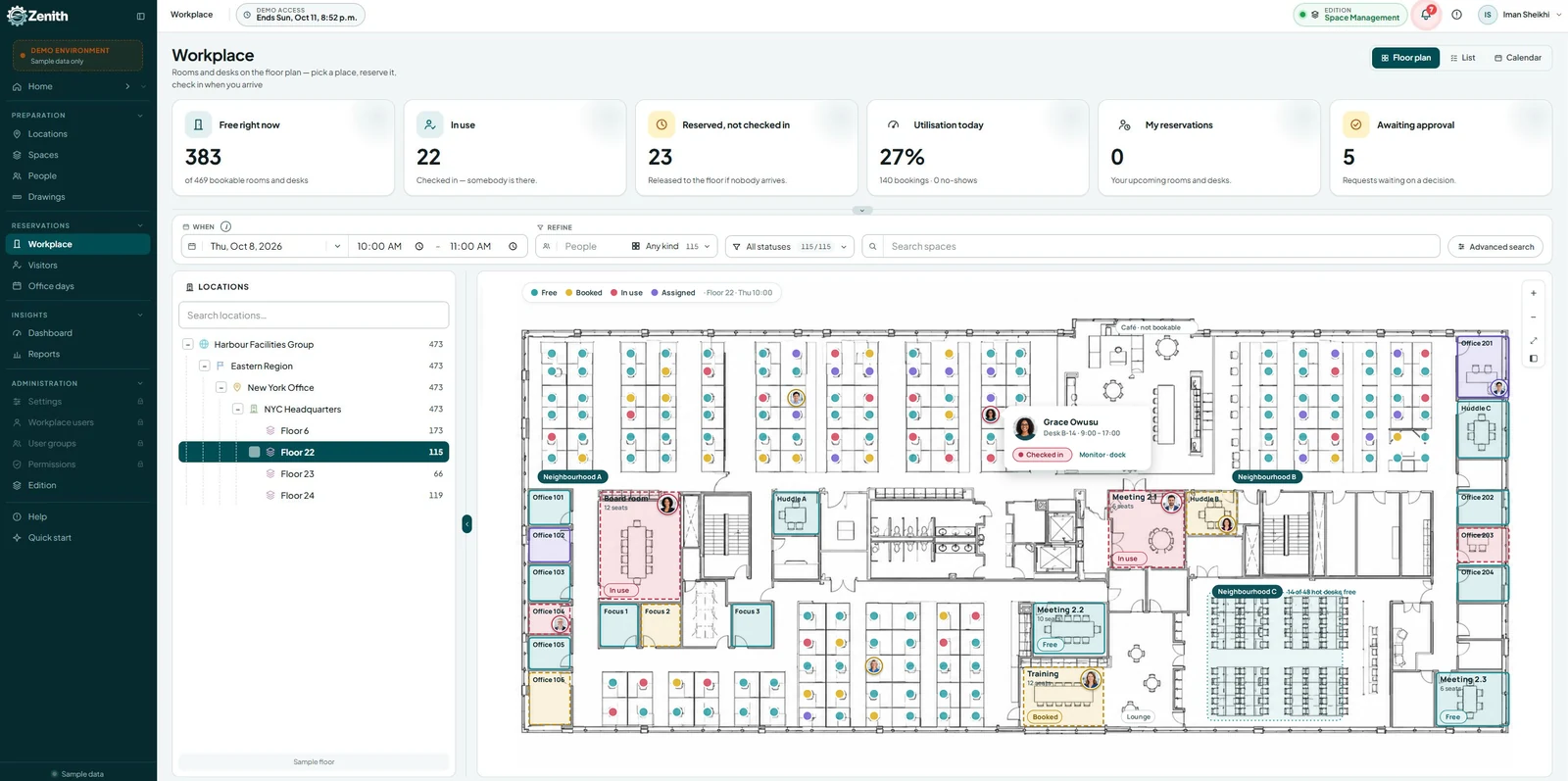
Empty offices, underused storage areas, and poorly zoned facilities inflate operational costs per square foot. Conduct a space-utilization audit using occupancy sensors and desk-booking software to reconfigure layouts, sublet unused areas, or right-size facilities.
9. Neglecting Emergency Preparedness
From winter storms grounding power to wildfires in BC, Canada demands robust contingency planning. Update emergency response plans annually, conduct full-scale drills, and stock critical spare parts—generators, pumps, and filters—to minimise downtime when disaster strikes.
10. Inadequate Budget Planning
Underfunding maintenance reserves or failing to forecast lifecycle replacements leads to reactive spending and budget overruns. Use historical maintenance data and asset-management software to build a rolling five-year capital plan that aligns with your organization’s financial cycle.
Conclusion
By sidestepping these ten mistakes, Canadian facility managers can boost efficiency, control costs, and meet both regulatory and sustainability goals. Proactive planning and the right technology are key to transforming challenges into competitive advantages.
Next Steps
- Explore our guide on choosing the best CMMS for Canadian regulations
- Download a free preventive maintenance checklist tailored to Canadian climates
- Subscribe to receive quarterly updates on facility management trends in Canada
Stay ahead of the curve and turn your facilities into optimized, future-ready assets.