


In today’s competitive landscape, keeping equipment and assets running smoothly isn’t just a luxury—it’s a necessity. Two popular strategies have emerged as front-runners: preventive maintenance and predictive maintenance. Each offers unique benefits, costs, and implementation challenges. This post explores their core differences, weighs pros and cons in a structured comparison, and helps you decide which approach aligns best with your industry’s demands.
Understanding Maintenance Strategies
Preventive maintenance schedules routine service at fixed intervals—whether or not equipment shows signs of wear. Tasks may include lubricating bearings every three months or replacing air filters quarterly. The goal is to reduce the likelihood of unexpected breakdowns by servicing components before they fail.
Predictive maintenance, by contrast, leverages real-time data, condition monitoring, and analytics to forecast when a piece of equipment will require attention. Instead of fixed schedules, maintenance is performed “just in time”—right when indicators like vibration levels, temperature spikes, or oil contamination exceed predefined thresholds.
Key Differences at a Glance
| Aspect | Preventive Maintenance | Predictive Maintenance |
|---|---|---|
| Trigger | Calendar-based or runtime hours | Condition-based via sensors and analytics |
| Frequency | Fixed intervals | Variable, based on actual equipment health |
| Data Requirements | Minimal historical data | Extensive sensor data and analytics tools |
| Initial Investment | Lower (basic tools and calendars) | Higher (sensors, software, training) |
| Risk of Unexpected Downtime | Moderate (failure may occur between services) | Low (issues detected before failure) |
| Maintenance Costs | Potentially higher (over-servicing) | Optimized (servicing only when needed) |
Industry-Specific Considerations
Every sector faces distinct pressures—safety, uptime, regulatory compliance, or cost control. Below, find tailored insights for common industries.
- Manufacturing
Routine workflows benefit from predictive analytics to spot bearing wear or motor imbalance. A predictive approach can boost overall equipment effectiveness (OEE) by up to 20 percent. - Energy & Utilities
In plants where unplanned outages carry hefty costs, predictive maintenance on turbines and transformers can prevent spikes in emergency repairs. - Transportation & Logistics
Fleet operators use telematics data to shift from oil-change schedules to condition-based servicing—reducing downtime and extending vehicle life. - Healthcare
Medical imaging and life-support systems demand near-zero failure rates. Here, combining preventive checks with predictive alarms offers layered protection. - Facilities Management
HVAC units, elevators, and generators in large complexes often follow preventive schedules. Adding remote sensors for predictive insights can fine-tune service intervals and lower energy bills.
Making the Right Choice
- Assess the cost of downtime versus the cost of implementing data-driven tools.
- Map critical assets: not every asset justifies expensive sensors.
- Consider regulatory and safety imperatives—industries like healthcare or petrochemicals may lean more heavily on predictive alerts.
- Analyze historical maintenance records: if failure patterns are consistent, preventive schedules might suffice. If failures are sporadic and costly, predictive pays off.
Implementation Tips
- Start small: pilot predictive monitoring on one critical machine before scaling.
- Train your team: data interpretation is as vital as data collection.
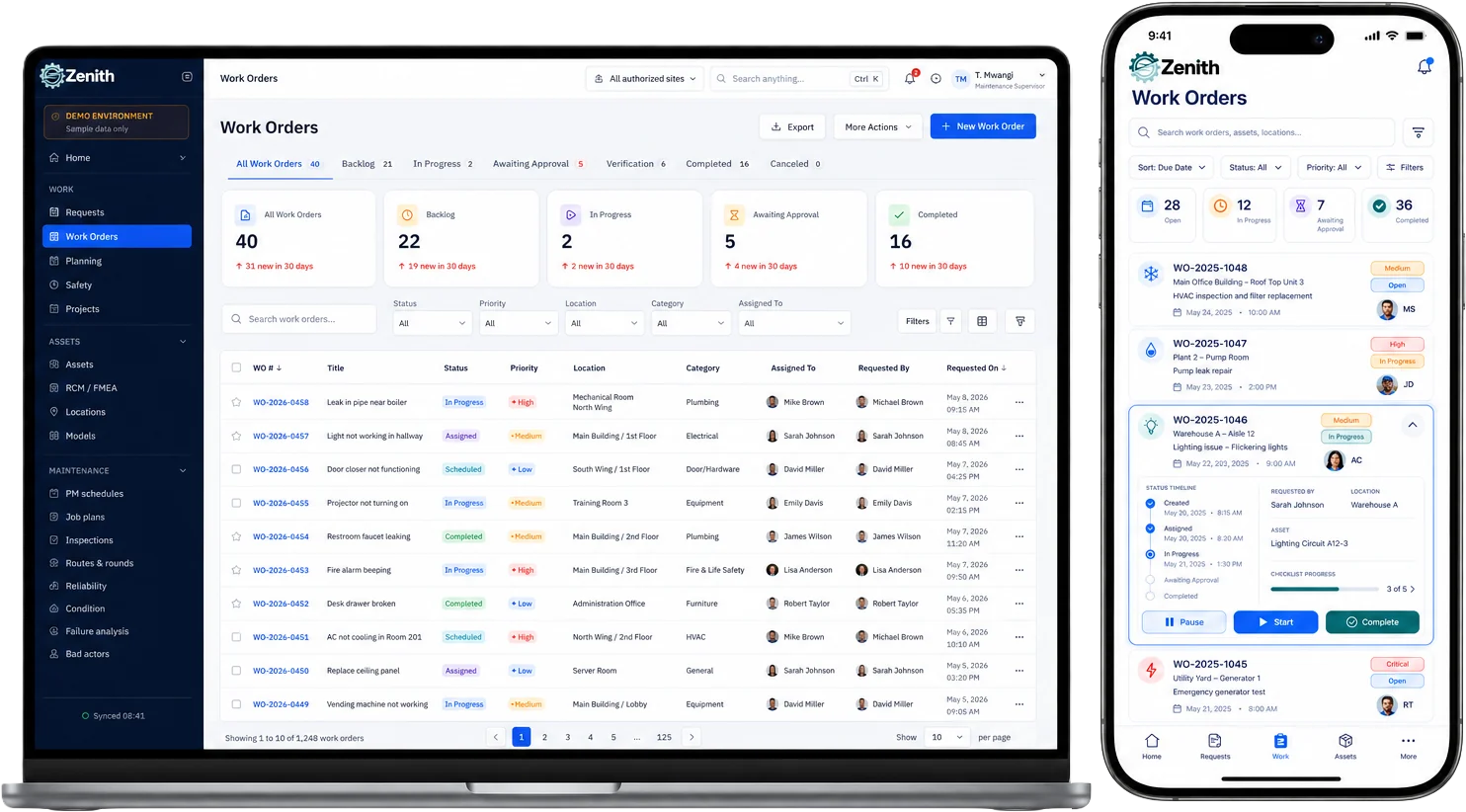
- Integrate systems: connect CMMS (Computerized Maintenance Management Systems) with sensor platforms.
- Review and refine: set realistic thresholds, then adjust based on early insights.
Adopting the right maintenance strategy transforms how you protect assets, allocate resources, and drive uptime. Whether you opt for the discipline of preventive routines or the intelligence of predictive analytics, aligning your approach with operational realities ensures you invest wisely—and keep your industry’s heartbeat steady.
Preventive Maintenance vs Predictive Maintenance: Advantages and Disadvantages
In a world driven by efficiency, choosing the right maintenance strategy can make or break your operations. Preventive maintenance and predictive maintenance stand out as leading approaches to minimize downtime, control costs, and extend asset life. While both aim to keep equipment in top shape, their methods, investments, and outcomes differ significantly.
Preventive Maintenance Overview
Preventive maintenance follows a time- or usage-based schedule. Technicians perform inspections, lubrication, part replacements, and calibrations at predetermined intervals—regardless of the asset’s current condition. This calendar-driven routine seeks to head off failures before they happen.
Advantages of Preventive Maintenance
- Reduced risk of catastrophic failure through consistent servicing
- Simple implementation with basic tools, calendars, and checklists
- Predictable budgeting since maintenance costs are scheduled
- Compliance support for regulated industries requiring routine audits
- Standardized procedures improve workforce familiarity and safety
Disadvantages of Preventive Maintenance
- Potential over-maintenance when parts are replaced before wear justifies it
- Unplanned failures may still occur between service intervals
- Labor and downtime costs can escalate if intervals are too frequent
- Lack of real-time insights may miss emerging failure modes
- Difficulty scaling for large fleets or highly variable usage patterns
Predictive Maintenance Overview
Predictive maintenance leverages sensors, condition monitoring, and data analytics to forecast equipment health. Instead of fixed dates, service is triggered by data trends—such as vibration spikes, temperature anomalies, or lubricant contamination—enabling “just-in-time” interventions.
Advantages of Predictive Maintenance
- Optimal maintenance timing reduces unnecessary downtime
- Lower inventory costs by stocking only parts needed when forecasts indicate wear
- Early detection of anomalies prevents major breakdowns
- Data-driven insights guide continuous improvement and root-cause analysis
- Scalability across diverse assets through IoT and cloud platforms
Disadvantages of Predictive Maintenance
- High upfront investment in sensors, software, and training
- Complexity of data integration across legacy systems
- Dependence on data quality; false positives or noise can trigger unwarranted actions
- Requirement for skilled analysts or third-party service partners
- Cybersecurity and connectivity risks in heavily instrumented environments
Side-by-Side Comparison
| Aspect | Preventive Maintenance | Predictive Maintenance |
|---|---|---|
| Trigger | Time or usage-based | Condition and data-driven |
| Data Needs | Minimal | Extensive sensors and analytics |
| Initial Investment | Low | High |
| Downtime Risk | Moderate (fixed intervals) | Low (real-time alerts) |
| Inventory Management | Higher safety stock | Leaner spares based on forecasts |
| Skill Requirements | Standard mechanical knowledge | Data science and systems integration |
Industry Implications
- Manufacturing
Predictive maintenance can increase uptime by pinpointing bearing wear, but preventive checks remain vital for safety-critical tooling. - Energy & Utilities
Predictive analytics on turbines avert costly emergency repairs, while preventive schedules ensure regulatory compliance. - Transportation & Logistics
Telematics-enabled predictive maintenance boosts fleet availability, yet regular inspections protect against overlooked defects. - Healthcare
Life-support systems demand preventive calibration, complemented by predictive alarms to catch early signs of sensor drift. - Facilities Management
HVAC and elevator systems benefit from basic preventive plans. Adding temperature and vibration sensors refines service intervals.
Implementation Best Practices
- Start with a pilot on one high-value asset to validate ROI.
- Integrate your Computerized Maintenance Management System (CMMS) with sensor platforms.
- Train cross-functional teams on data interpretation and root-cause analysis.
- Establish clear thresholds and review them quarterly to reduce false alarms.
- Balance preventive routines for non-critical assets with predictive focus on mission-critical equipment.
Choosing between preventive and predictive maintenance isn’t an all-or-nothing decision. Many organizations find the greatest value in a hybrid strategy—leveraging preventive checklists for routine upkeep and predictive insights for high-risk assets. By understanding each approach’s strengths and limitations, you can craft a maintenance roadmap that aligns with your operational goals, budget constraints, and risk tolerance.