
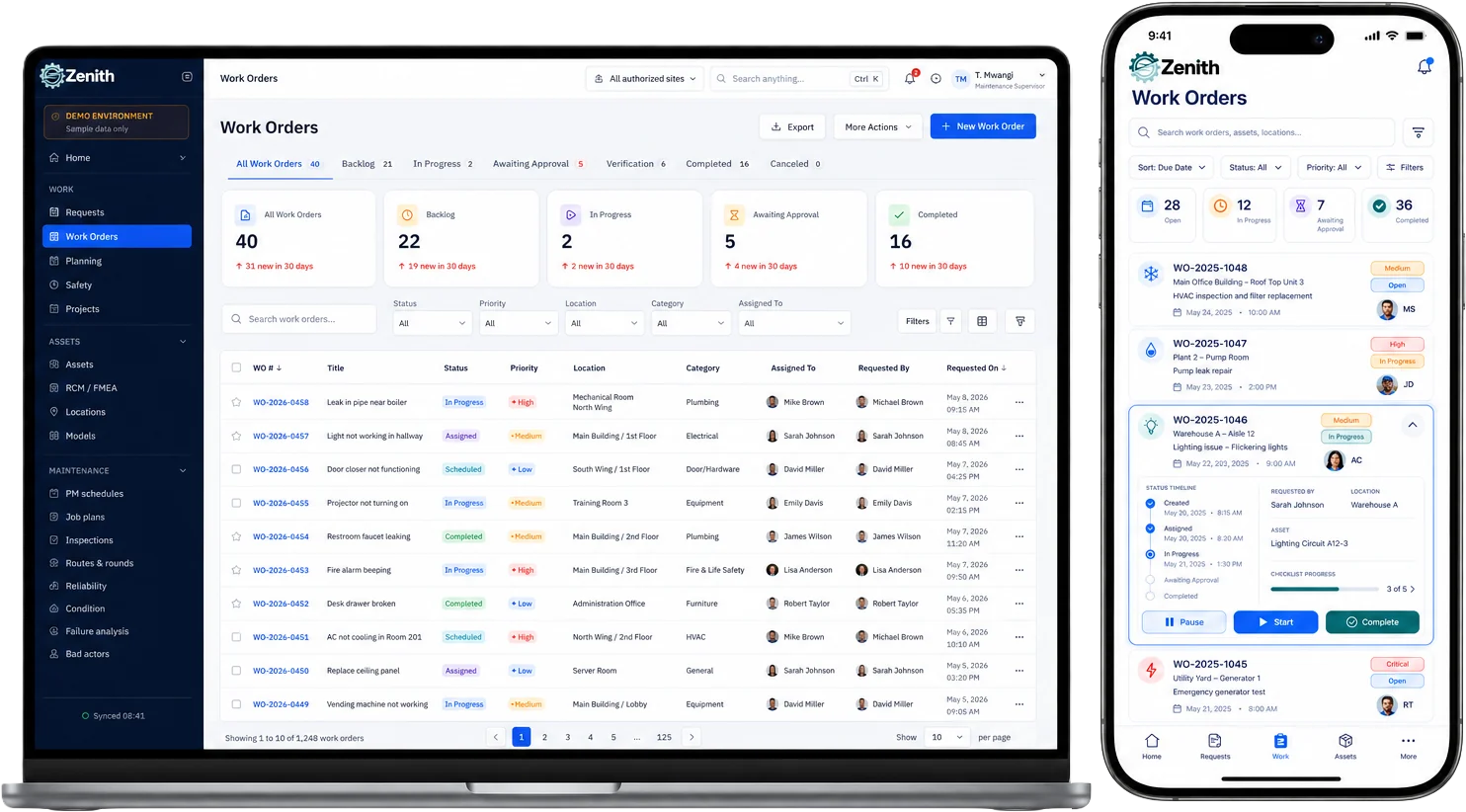
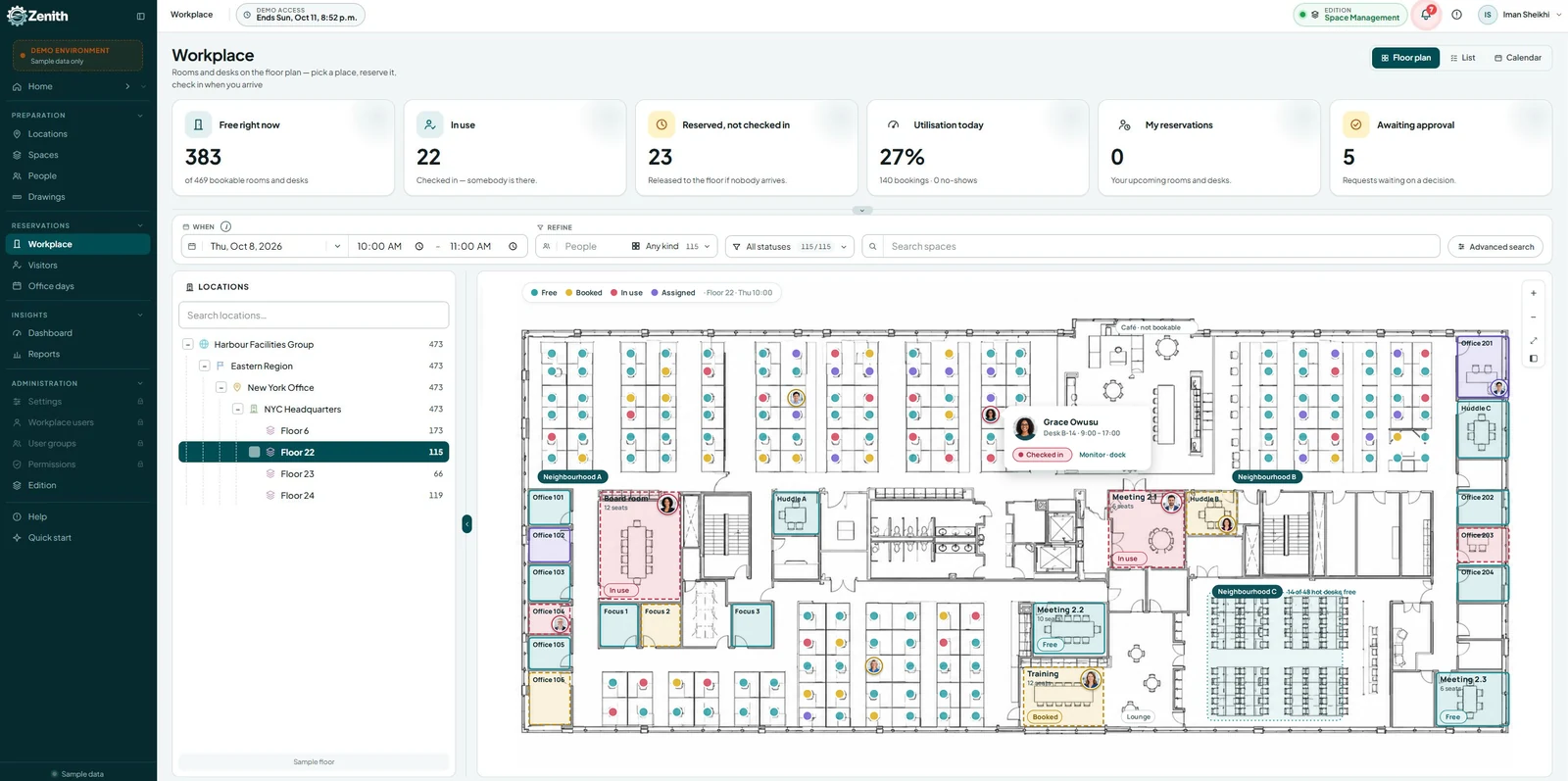


Facility management underpins the mission-driven work of nonprofit organizations by ensuring safe, functional, and cost-effective spaces. From community centers and food banks to administrative offices and outreach facilities, every square foot must be well maintained. Effective facility management enables nonprofits to focus resources on programs rather than reactive repairs. Adopting digital tools elevates preventive strategies and streamlines workflows. In this post, we’ll explore why nonprofits need facility management, core components of an effective program, and how Zenith delivers tailored solutions.
The Role of Facility Management in Nonprofits
Facility management in the nonprofit sector goes beyond fixing leaky roofs and maintaining HVAC systems. It encompasses planning, resource allocation, and risk management to safeguard staff, volunteers, and service users. Coordinated maintenance schedules and proactive repairs reduce downtime and minimize disruptions to critical programs. In charitable operations, every dollar saved on overhead translates into greater community impact. A centralized facility management strategy also strengthens compliance with health, safety, and accessibility standards.
Unique Challenges Faced by Nonprofits
Nonprofits operate on tight budgets, making reactive maintenance a financial hazard rather than a simple inconvenience. Volunteer-driven teams may lack formal training in preventive maintenance or vendor management. Facilities often serve multiple functions—administrative offices by day, food distribution hubs on weekends—compounding scheduling complexities. Regulatory requirements for public-facing buildings, including ADA compliance and fire safety, carry stiff penalties for lapses. Tracking inspection dates, vendor certifications, and maintenance histories across disparate spreadsheets can become overwhelming.
Core Components of Facility Management
An effective facility management framework hinges on five pillars:
- Asset Registry
A comprehensive inventory of building systems, equipment, and support structures with location and condition details - Maintenance Planning
Scheduled preventive tasks, priority-based corrective repairs, and long-term capital renewal forecasts - Work Order Management
Digital creation, assignment, tracking, and closure of maintenance tasks with status visibility - Vendor and Contract Management
Centralized repository of service agreements, insurance certificates, and performance metrics - Reporting and Analytics
Dashboards showing maintenance spend, downtime, compliance status, and resource utilization
Bringing these elements together in a unified platform unlocks transparency and drives data-backed decisions.
Benefits of Facility Management Software for Nonprofits
Transitioning from paper logs and basic spreadsheets to dedicated facility management software yields transformative advantages:
- Cost Predictability
Automate preventive maintenance to reduce expensive emergency repairs and level out annual budgets - Improved Safety and Accessibility
Standardize inspections, schedule accessibility reviews, and maintain audit-ready records for regulators - Enhanced Volunteer Coordination
Assign tasks and track completion status in real time, ensuring volunteers can focus on mission work instead of paperwork - Resource Optimization
Centralize inventory of consumables, cleaning supplies, and critical spare parts to avoid stockouts or overbuying - Stakeholder Visibility
Share performance dashboards with boards of directors and donors to demonstrate responsible stewardship of funds
These gains free up nonprofit leaders to concentrate on delivering programs rather than fire-fighting facilities issues.
Introducing Zenith for Nonprofit Facility Management
Zenith is designed to address the specific constraints and goals of nonprofit organizations. Its flexible, subscription-based pricing ensures that small charities and large NGOs alike can adopt enterprise-grade facility management tools. The platform eliminates manual handoffs, reduces administrative friction, and adapts to varied facility portfolios—from single campus office buildings to networks of community centers. By leveraging Zenith, nonprofits gain the structure needed to maintain safe, welcoming spaces that support their missions.
Key Features of Zenith
| Feature | Benefit for Nonprofits |
|---|---|
| Central Asset Database | Full visibility into building systems, equipment, and condition ratings |
| Preventive Maintenance Scheduler | Automated reminders reduce emergency repair budgets |
| Volunteer Task Assignment | Intuitive mobile interface for volunteers and staff to receive and complete jobs |
| Vendor Portal | Single sign-on access for service providers to submit bids and upload certifications |
| Budget Tracking | Monitor maintenance spend against departmental or grant-based budgets |
| Compliance Management | Store permits, inspection reports, and ADA certifications in one secure repository |
| Real-Time Dashboards | Share up-to-date metrics with board members and grantors |
This combination of modules ensures nonprofit facility teams spend less time on administrative tasks and more time supporting their causes.
Implementing Zenith: Best Practices
- Define Goals Aligned to Mission
Engage leadership, facilities staff, and program managers to specify cost-savings targets and service-level requirements. - Audit Existing Data
Inventory buildings, systems, and maintenance history. Cleanse and standardize records for a smooth migration. - Pilot on a Single Facility
Roll out Zenith at one location to test workflows, tailor checklists, and train volunteers and staff. - Train Volunteers and Staff
Use role-based training modules for technicians, program coordinators, and volunteer teams. Reinforce with periodic refreshers. - Monitor and Refine
Establish key performance indicators such as maintenance cost per square foot and average task completion time. Review monthly and iterate.
A phased approach reduces disruption, builds confidence, and demonstrates early value to stakeholders.
Future Trends in Nonprofit Facility Management
Nonprofits are increasingly adopting digital innovations to stretch limited budgets further. Internet of Things sensors on critical systems enable real-time condition monitoring and failure alerts. Cloud-based platforms allow remote oversight of multiple properties without on-site IT support. Sustainable building initiatives rely on data to benchmark energy, water, and waste metrics. Zenith’s open API and modular design ensure organizations can incorporate emerging tools, from occupancy analytics to carbon tracking dashboards, as needs evolve.
An illustrative scenario: a community outreach centre
The scenario below is illustrative. It is not an account of a named customer, and the figures in it are indicative of what a maintenance programme can aim at rather than measured results we can attribute. Where we can publish real numbers with a client’s permission, we say so plainly.
A mid-sized nonprofit operating a multi-service community center struggled with aging HVAC equipment and fragmented maintenance logs. Unplanned breakdowns forced program cancellations and frustrated volunteers. After adopting Zenith, the center:
- Reduced emergency HVAC calls by 40 percent through sensor-driven alerts on air handler performance
- Cut volunteer scheduling time in half by dispatching tasks via mobile app rather than email chains
- Lowered overall maintenance spend by 20 percent within one year through preventive scheduling
- Produced audit-ready compliance reports in minutes rather than days
These improvements allowed the center to reallocate 15 percent of its facilities budget into expanded youth programming.
Frequently Asked Questions
- What constitutes facility management in a nonprofit?
Facility management covers all activities related to maintaining and optimizing buildings, equipment, and grounds to support nonprofit programming and stakeholder safety. - How does Zenith handle volunteer involvement?
Zenith’s mobile interface lets volunteers claim tasks, log hours, and report completion. Administrators can track volunteer performance and issue reminders. - Is Zenith cost-effective for small nonprofits?
Subscription tiers scale with the number of assets, facilities, and users. Small organizations can start with essential modules and expand as needs grow. - How long does deployment take?
A pilot rollout at one facility typically completes in 6–8 weeks, including data migration, configuration, and user training. - What ROI can nonprofits expect?
Many clients see 15–25 percent reductions in maintenance costs and significant time savings within the first year, enabling reinvestment into mission-critical services. - Can Zenith integrate with accounting and grant-management systems?
Yes. Zenith offers RESTful APIs and pre-built connectors for common nonprofit accounting solutions and CRM platforms. - How does Zenith support compliance reporting?
All inspections, permits, and certificates reside in a secure document repository. Automated reminders ensure deadlines are never missed. - Is data secure and private?
Zenith employs industry-standard encryption in transit and at rest, role-based access controls, and regular security audits.
Conclusion
Effective facility management is a strategic asset for nonprofits striving to maximize their social impact. Leveraging a centralized, digital platform like Zenith helps charities and NGOs reduce costs, enhance volunteer efficiency, and maintain safe, accessible spaces. By automating preventive maintenance, streamlining vendor processes, and delivering real-time insights, Zenith empowers nonprofits to allocate more resources to program delivery. The result is stronger community engagement, higher stakeholder confidence, and greater mission fulfillment.
More insights you might explore include integrating volunteer scheduling with facility occupancy analytics, harnessing energy management modules for sustainability grants, and adopting digital twin frameworks for multi-site monitoring. If you’re curious about how Zenith can transform your nonprofit’s facilities strategy, let’s continue the conversation.