


Introduction
Predictive maintenance uses data and analytics to forecast equipment failures before they happen. By shifting from reactive fixes to proactive interventions, organizations can slash downtime, cut costs, and extend asset lifespans. This guide breaks down the core technologies, benefits, implementation steps, challenges, and emerging trends that every beginner should understand.
1. Understanding Predictive Maintenance
What sets predictive maintenance apart is its reliance on real-time data and machine learning models. Instead of waiting for failures or scheduling routine checks, predictive systems analyze sensor readings, usage patterns, and environmental factors to predict when a piece of equipment is likely to break down.
Preventive maintenance schedules tasks on fixed intervals, which can lead to unnecessary servicing or overlooked issues. Predictive maintenance targets the optimal moment for intervention, maximizing uptime while minimizing wasted effort.
2. Core Technologies Behind Predictive Maintenance
2.1 IoT Sensors and Data Acquisition
- Vibration sensors detect imbalances or misalignments in rotating equipment.
- Temperature and pressure sensors monitor heat buildup and fluid dynamics.
- Acoustic and ultrasonic sensors pick up early signs of wear or leaks.
2.2 Data Storage and Connectivity
- Edge gateways collect and preprocess sensor streams to reduce network load.
- Cloud platforms centralize vast datasets for long-term trend analysis.
- Secure protocols (MQTT, HTTPS) ensure data integrity in transit.
2.3 Data Analytics and Machine Learning
- Descriptive analytics visualize current and historical equipment health.
- Predictive models use regression and classification algorithms to forecast failures.
- Self-learning systems improve accuracy by retraining on new data.
2.4 Digital Twins
Digital twins are virtual replicas of physical assets that simulate behavior under various conditions. They enable “what-if” scenario testing—such as ramping up load or adjusting maintenance intervals—without impacting live operations.
2.5 Edge Computing
Processing data at the network edge provides instant insights and reduces cloud dependency. Critical alerts can trigger local actions—like shutting down an overheating motor—before network latency becomes an issue.
3. Key Benefits of Predictive Maintenance
- Reduced unplanned downtime keeps production lines running smoothly.
- Lower maintenance costs by avoiding premature part replacements.
- Extended equipment lifespan through timely servicing.
- Improved safety by catching hazardous conditions early.
- Enhanced operational efficiency with data-driven decision-making.
4. Steps to Implement Predictive Maintenance
- Audit existing assets and establish performance baselines.
- Deploy appropriate sensors on critical equipment.
- Build a data strategy covering storage, connectivity, and security.
- Develop and validate predictive models with historical failure data.
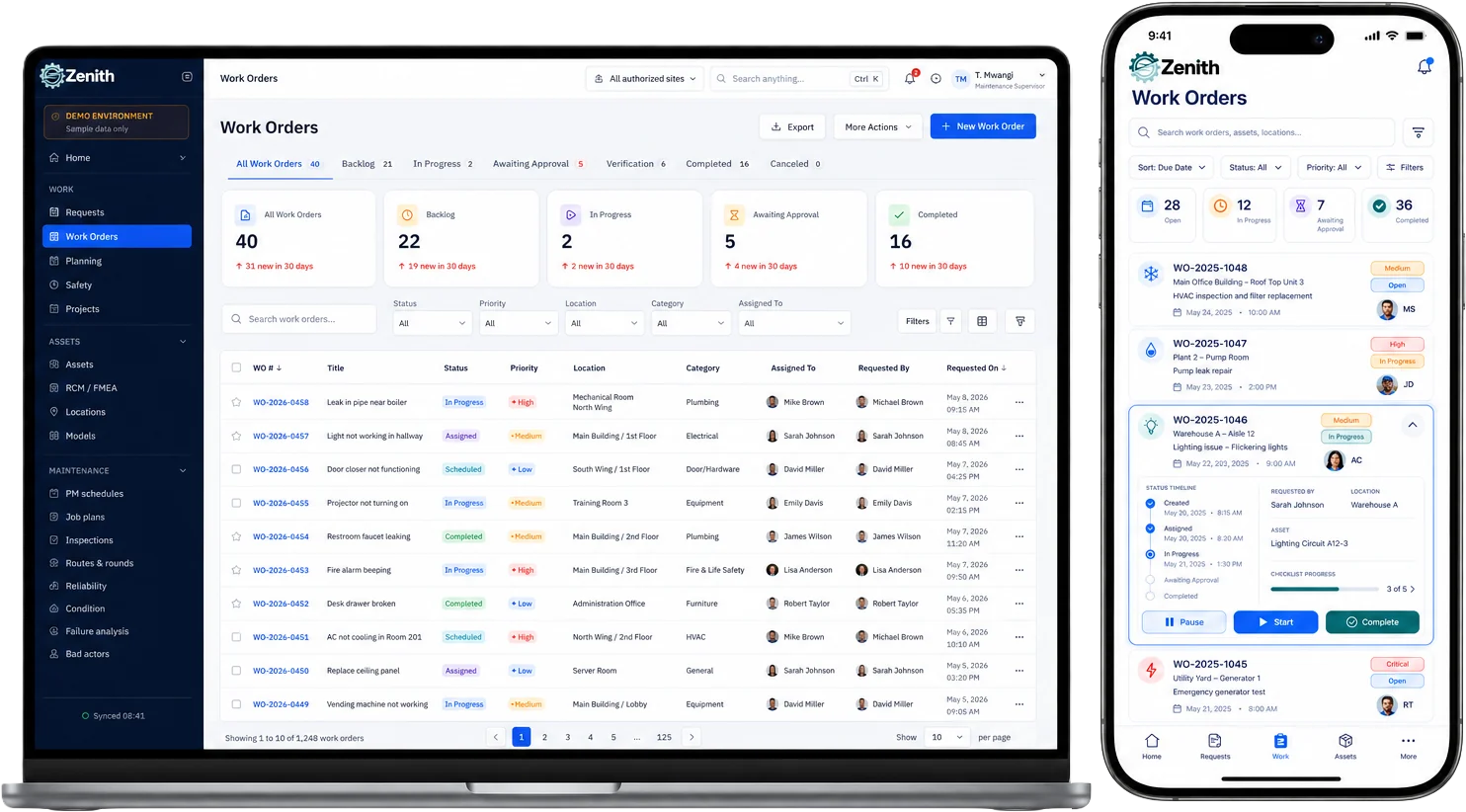
- Integrate analytics into your Computerized Maintenance Management System (CMMS).
- Train maintenance teams on new workflows and alert dashboards.
- Continuously refine models and sensor coverage based on feedback.
5. Common Challenges and How to Overcome Them
- Data quality issues can skew predictions; implement rigorous sensor calibration.
- Integrating legacy systems requires middleware or protocol converters.
- Skill gaps in data science and IoT demand targeted training or partnerships.
- Demonstrating ROI may take several months; start with high-impact pilot projects.
- Cybersecurity risks grow with connected devices; segment networks and enforce strong encryption.
6. Emerging Trends in Predictive Maintenance
| Technology | Role | Benefit |
|---|---|---|
| AI-Driven Agents | Autonomous decision-making | Faster, more accurate interventions |
| 5G Connectivity | High-speed, low-latency data transfer | Real-time analytics at scale |
| Blockchain | Immutable maintenance logs | Enhanced traceability and compliance |
| Extended Reality | AR/VR guided inspections | Remote expert support and training |
Frequently Asked Questions
What exactly is predictive maintenance?
Predictive maintenance uses sensor data and analytics to forecast equipment failures before they occur. It identifies patterns and anomalies in performance metrics so teams can service assets at the optimal time.
How does predictive maintenance differ from preventive maintenance?
Preventive maintenance follows a set schedule—such as monthly filter changes—regardless of actual equipment condition. Predictive maintenance relies on real-time data and models to service only when necessary.
What types of sensors are essential?
Common sensors include vibration, temperature, pressure, acoustic, and ultrasonic. The choice depends on the asset type and failure modes you need to detect.
How quickly can I see a return on investment?
ROI timelines vary by industry and scale. High-value assets in continuous-run environments (like manufacturing lines) often realize gains within 6–12 months after deployment.
Can small businesses benefit from these technologies?
Absolutely. Scalable IoT platforms and cloud-first analytics make predictive maintenance accessible to SMEs. Starting with a focused pilot on critical equipment helps prove value quickly.
Enhance your learning journey with deep-dive case studies, open-source analytics libraries, and webinars on IoT security. You might also explore how digital twins intersect with Industry 4.0, or track emerging standards in edge AI frameworks.