

Maintaining continuous operations is the heartbeat of any production-driven organization. Yet downtime—both planned and unplanned—can stealthily drain resources, erode profit margins, and undermine customer trust. In this post, we’ll uncover the often-overlooked expenses tied to downtime and reveal how a Computerized Maintenance Management System (CMMS) can transform liabilities into savings that add up to millions.
Understanding Downtime and Its Financial Toll
Downtime describes the period when equipment or processes are not operational. While it’s easy to tally the immediate cost of halted production, indirect and opportunity costs can be even more damaging. Organizations that overlook these hidden expenses often find that even small improvements in uptime yield huge financial returns.
- Direct Costs
Wasted labor hours, emergency repair fees, and expedited shipping for replacement parts. - Indirect Costs
Lost production batches, excessive overtime, and increased wear on backup systems. - Opportunity Costs
Missed sales, delayed deliveries, and diminished market reputation.
Sources of Unseen Expenses
Even when downtime appears minimal on paper, cascading effects can linger. Consider these common overlooked areas:
- Labor Inefficiencies
Skilled technicians waiting on parts or dealing with incomplete maintenance histories. - Inventory Carry and Waste
Overstocked spare parts that expire or go unused, tying up capital. - Regulatory Penalties
Noncompliance fines when preventive inspections lapse or records are incomplete. - Customer Dissatisfaction
Lost future revenue when emergency outages impact delivery reliability.
The Role of CMMS
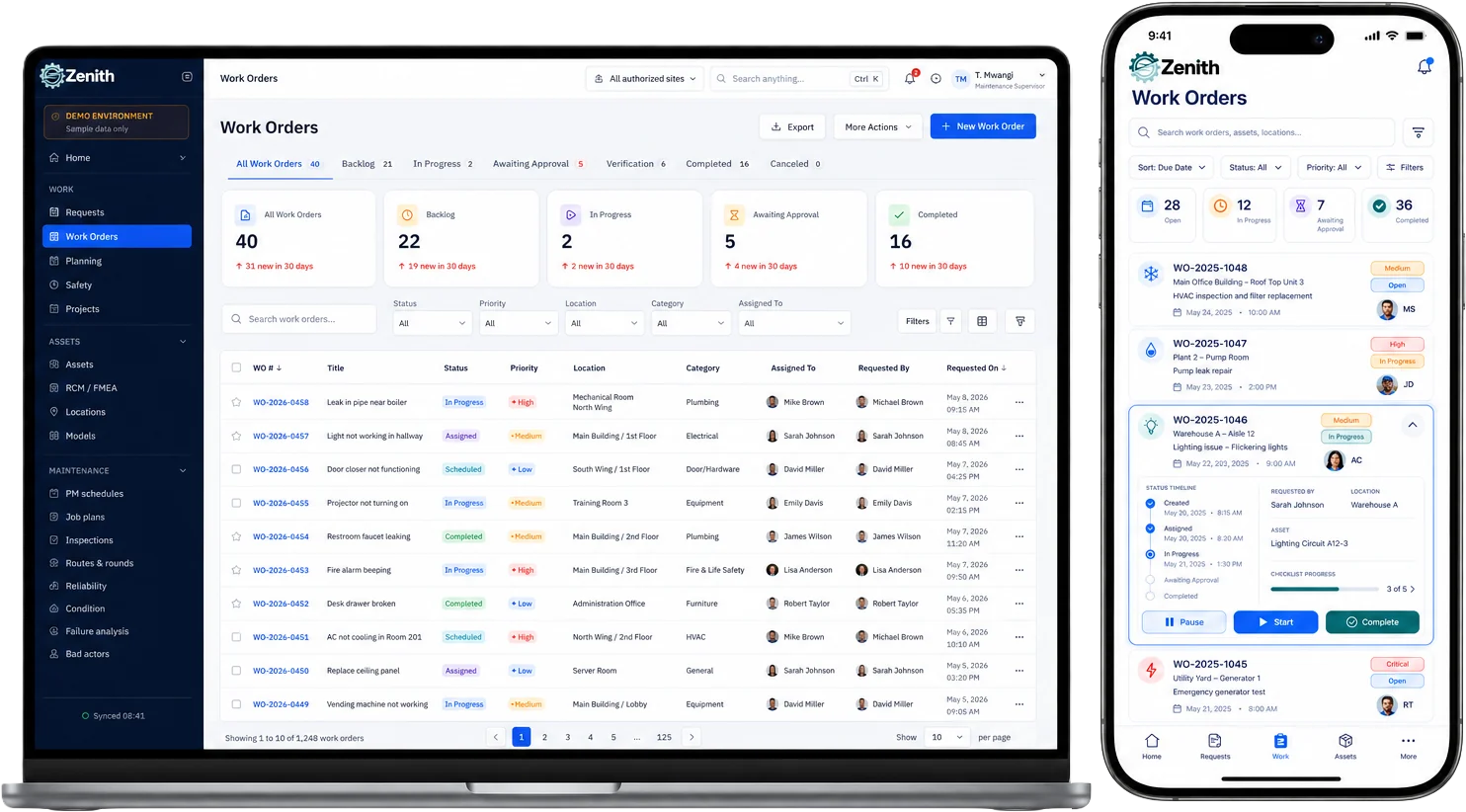
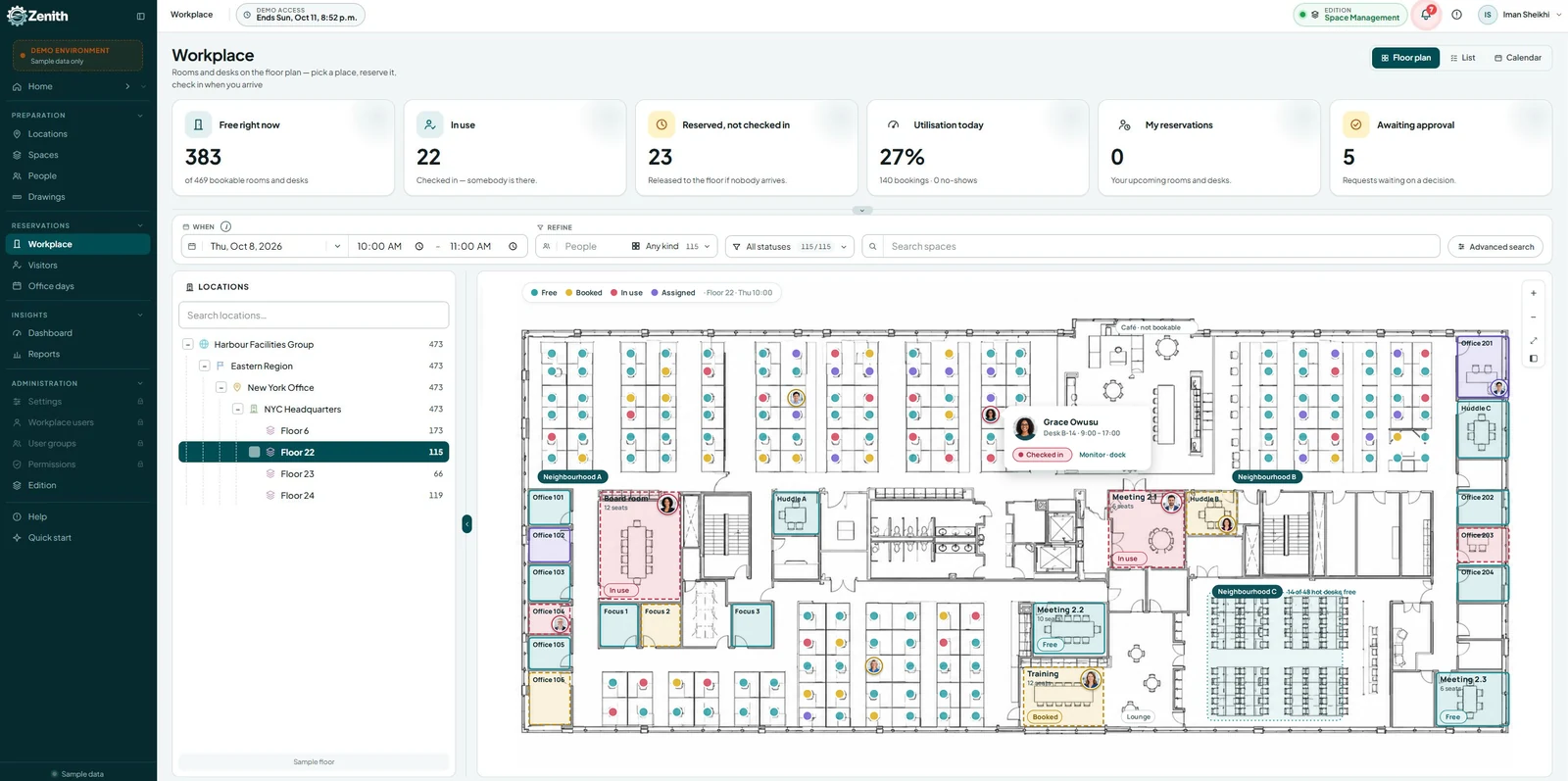
A CMMS is a software platform designed to streamline every aspect of maintenance management. From tracking assets and scheduling work orders to analyzing performance data, a robust CMMS automates tasks that once consumed endless paperwork and manual follow-ups.
Key CMMS Features
- Work Order Management
Create, assign, and close maintenance tasks with transparent status updates. - Preventive Maintenance Scheduling
Calendar-driven alerts ensure inspections, lubrication, and replacements happen on time. - Asset Tracking
Detailed histories and lifecycle metrics keep every piece of equipment visible. - Data Analytics & Reporting
Real-time dashboards pinpoint failure patterns and guide strategic investments.
How CMMS Mitigates Downtime Costs
Implementing a CMMS shifts maintenance from reactive firefighting to proactive optimization. This change slashes hidden expenses in several ways:
- Proactive Maintenance
Scheduled interventions prevent catastrophic failures and reduce emergency repair premiums. - Real-Time Monitoring & Alerts
Sensor integrations trigger instant notifications, allowing teams to nip issues in the bud. - Improved Resource Allocation
Technicians spend less time hunting for manuals or parts and more time performing value-added work. - Enhanced Compliance & Reporting
Automatic audit trails and digital logs eliminate fines and boost regulatory confidence.
Illustrative scenarios: where savings come from
The scenario below is illustrative. It is not an account of a named customer, and the figures in it are indicative of what a maintenance programme can aim at rather than measured results we can attribute. Where we can publish real numbers with a client’s permission, we say so plainly.
Manufacturing Plant: Metal Fabrication
A mid-sized FAB shop faced weekly unplanned stops averaging six hours. After CMMS deployment:
- 40% reduction in breakdown incidents
- Annual savings of $750,000 in emergency labor and lost throughput
Healthcare Facility: Hospital HVAC
Unscheduled air-handler failures compromised patient comfort and air quality. Post-CMMS:
- Preventive maintenance compliance rose to 98%
- Avoided fines and repairs saved $1.2 million over two years
Step-by-Step Implementation of CMMS
- Assess Maintenance Needs
Conduct an asset audit and map current workflows. - Select the Right CMMS
Evaluate scalability, user interface, and integration capabilities. - Data Migration & Setup
Import equipment data, create maintenance templates, and configure alerts. - Training & Change Management
Empower technicians with hands-on practice and executive buy-in. - Performance Tracking & Continuous Improvement
Monitor KPIs, tweak schedules, and roll out advanced modules.
Calculating Your ROI
To quantify the impact of CMMS, compare key metrics before and after implementation:
| Metric | Before CMMS | After CMMS | Improvement |
|---|---|---|---|
| Unplanned Downtime (annual hours) | 500 | 300 | −40% |
| Emergency Repair Costs | $1,200,000 | $720,000 | −40% |
| Preventive Maintenance Compliance | 65% | 95% | +30 pp |
| Spare Parts Inventory Holding Costs | $800,000 | $520,000 | −35% |
A typical mid-sized plant sees full payback on CMMS licenses within 12–18 months, with net savings flowing directly to the bottom line.
Best Practices for Maximizing CMMS Benefits
- Establish Clear KPIs
Focus on mean time between failures, work order cycle times, and compliance rates. - Regular Audits
Periodically review asset hierarchies and update maintenance plans. - Integrate with IoT and Industry 4.0
Leverage sensors and machine learning for predictive insights. - Ongoing Training
Keep new hires and veteran technicians fluent in system updates and mobile tools.
Conclusion: Investing in Uptime
Downtime isn’t just minutes lost on the production floor—it’s a chain reaction of hidden costs that erode profits and stifle growth. A well-implemented CMMS transforms maintenance from an expense center into a strategic advantage, saving millions in direct and indirect costs. By shifting to proactive maintenance, automating workflows, and unlocking data-driven insights, organizations can protect assets, empower teams, and achieve continuous operational excellence.
Looking Ahead
- Explore predictive maintenance modules for even deeper savings
- Consider ERP integration to unify finance, inventory, and maintenance data
- Stay informed on AI-driven analytics to anticipate equipment failures before they occur
Ready to uncover your own hidden savings? Start mapping your downtime costs today and watch CMMS turn them into your biggest efficiency win.